WATERMELON SEEDS FESTIVAL OF LITERATURE

I will be reading at the Second annualย Watermelon Seeds Festival of Literature.

Internationally acclaimed and award-winning novelists, poets, playwrights, and journalists read in solidarity with the Palestinian people in a time of genocide. The Festival featuresย Lucy Alfordย (Forms of Poetic Attention),ย Duha Alshaqaqiย (We Are Not Numbers),ย Danielle Janessย (The Milk of Amnesia),ย El Jonesย (Abolitionist Intimacies),ย Sonnet Lโ€™Abbรฉย (Sonnetโ€™s Shakespeare),ย Leila Marshyย (My Thievery of the People),ย Nyla Matukย (Stranger),ย Philip Kevin Paulย (Little Hunger),ย Ziyad Saadiย (Three Parties),ย Neil Surkanย (Unbecoming),ย Craig Taylorย (New Yorkers),ย Saeed Teebiย (Her First Palestinian),ย Paul db Watkinsย (Soundinโ€™ Canaan). A hybrid event with readings on site and by video.

More details, here.

Event at Victoria Festival of Authors

Hey Victoria and Island folk,

You are invited to join me, along with dโ€™bi.young anitafrika, Wayde Compton, and Sonnet Lโ€™Abbรฉ, for performances and conversation that embody and expand on the wide-ranging power of human sound to make, unmake, and remake the ways in which we feel, engage with, and know ourselves, others, and the world around us.

Visitย victoriafestivalofauthors.caย for more information and tickets, as well as an interview by yours truly:ย Q&A with Paul db Watkins.

Event Details
๐Ÿ“… Friday, October 17 ยท 2:00 PM PDT
๐Ÿ“ Langham Court Theatre
805 Langham Court, Victoria, BC V8V 4J3

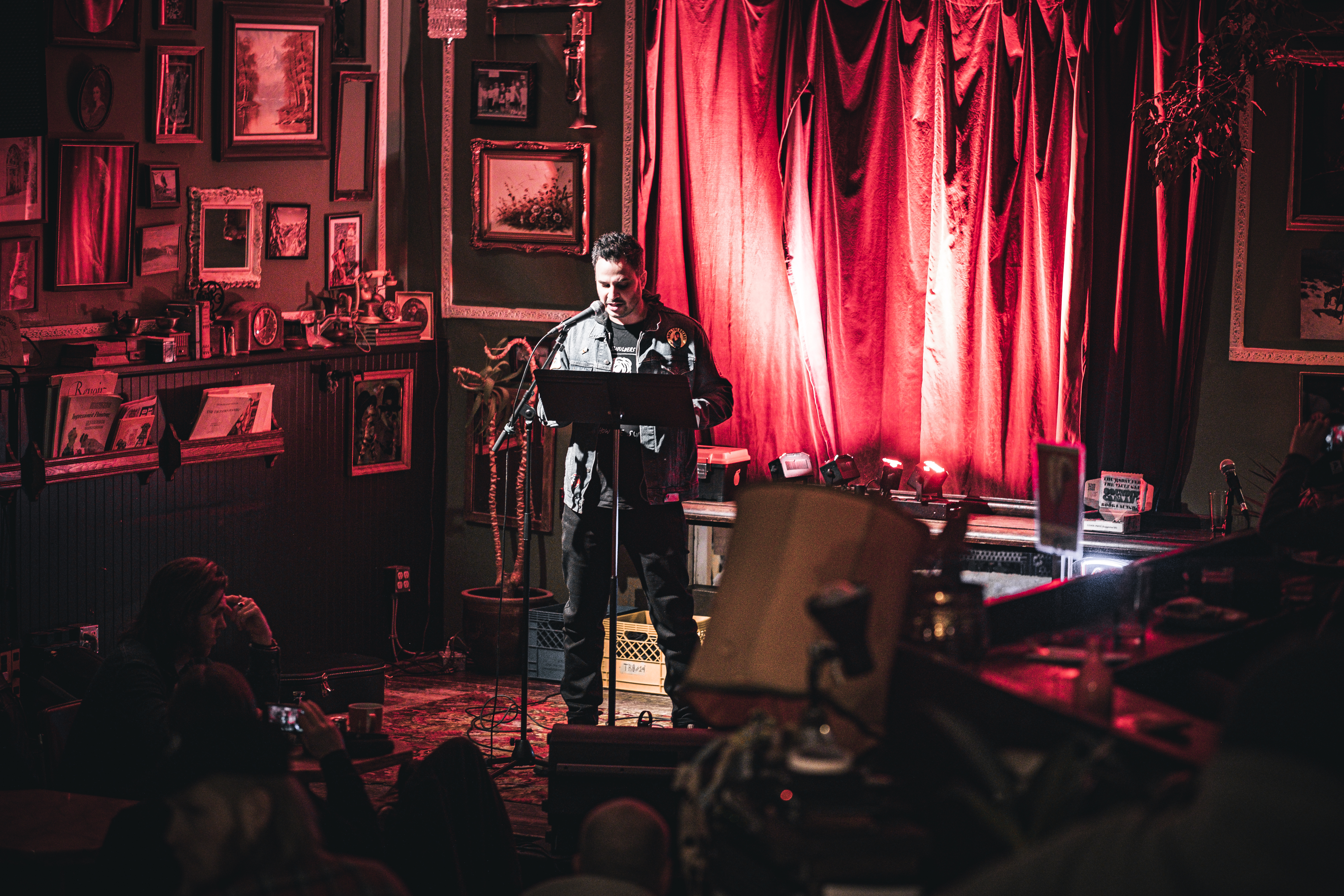
Scenes from My Nanaimo Book Launch

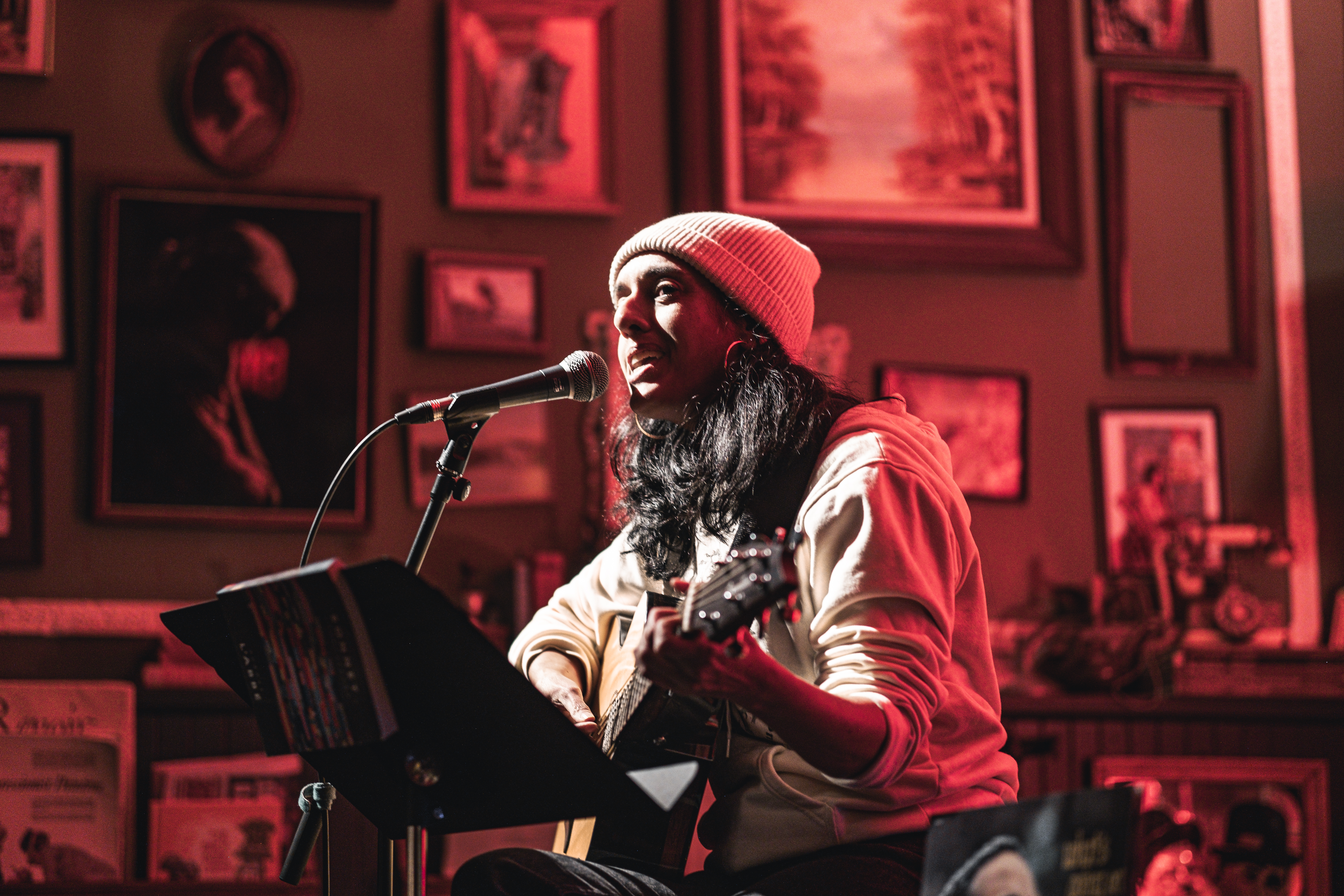
Thanks to everyone who came out to my book launch on Feb. 6 at The Vault! We packed the house, and I sold my entire box of books. It was a night to celebrate my book, Soundinโ€™ Canaan, but it was also a night of poetry and musicโ€”a night of community. It was a night of sonic solidarity in honour of Black History Month. Iโ€™m very grateful to both Neil Surkan and Sonnet Lโ€™Abbรฉ for sharing the power of their words. The night left me feeling a little more hopeful about the state of things.

On March 7, from 10โ€“11:30 a.m., Iโ€™ll be giving the final colloquium talk at VIU in the Malaspina Theatre. The talk will combine sound (including a live DJ mix), images, material from a new website to support the book, and text.

A second book launch will take place in Victoria on March 13 at Paul Phillips Hall (1928 Fernwood Road). This event will feature poet Wayde Compton (Performance Bond, The Outer Harbour, Toward an Anti-Racist Poetics). Doors open at 6:30 p.m.

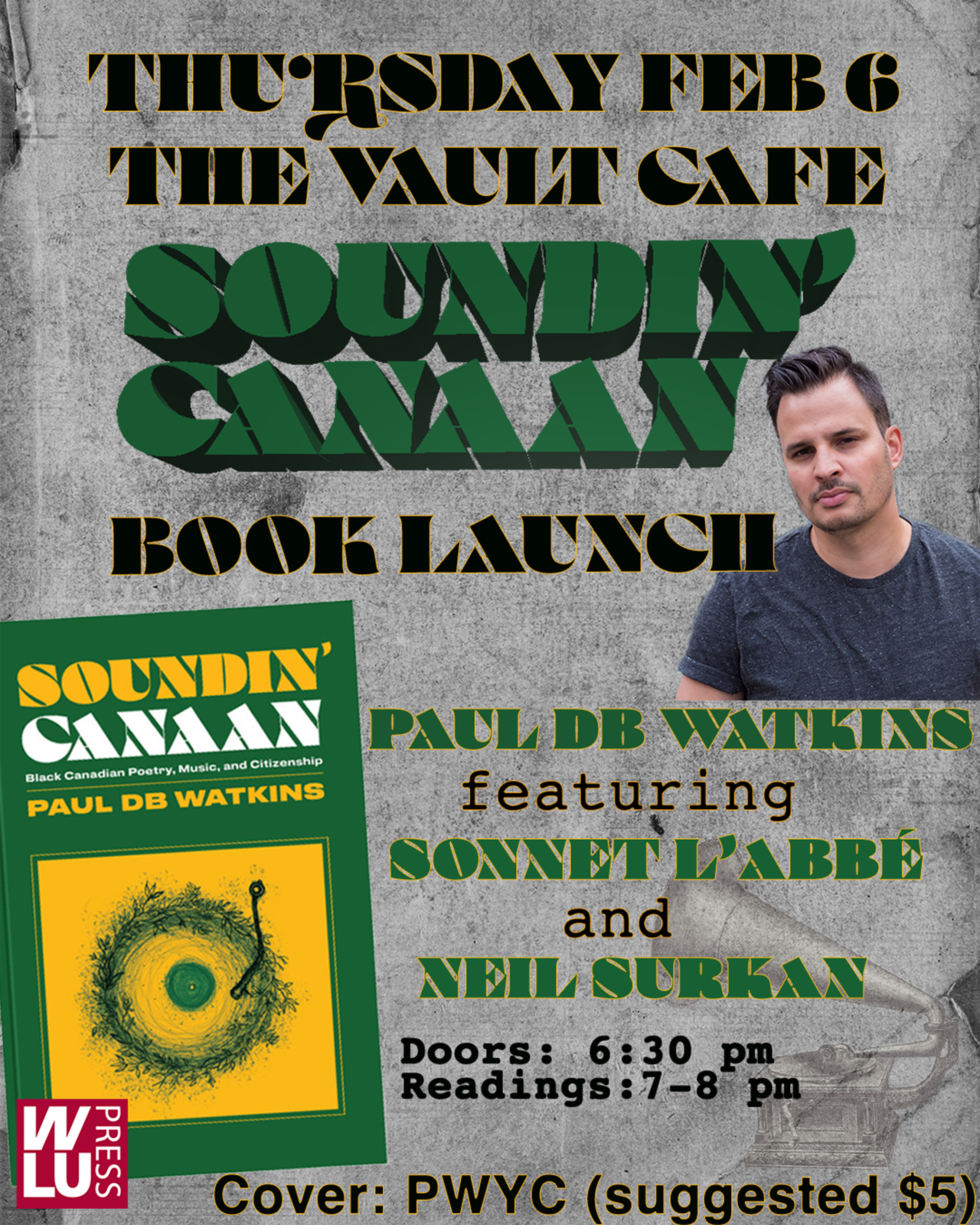
Soundin’ Canaan Book Launches!

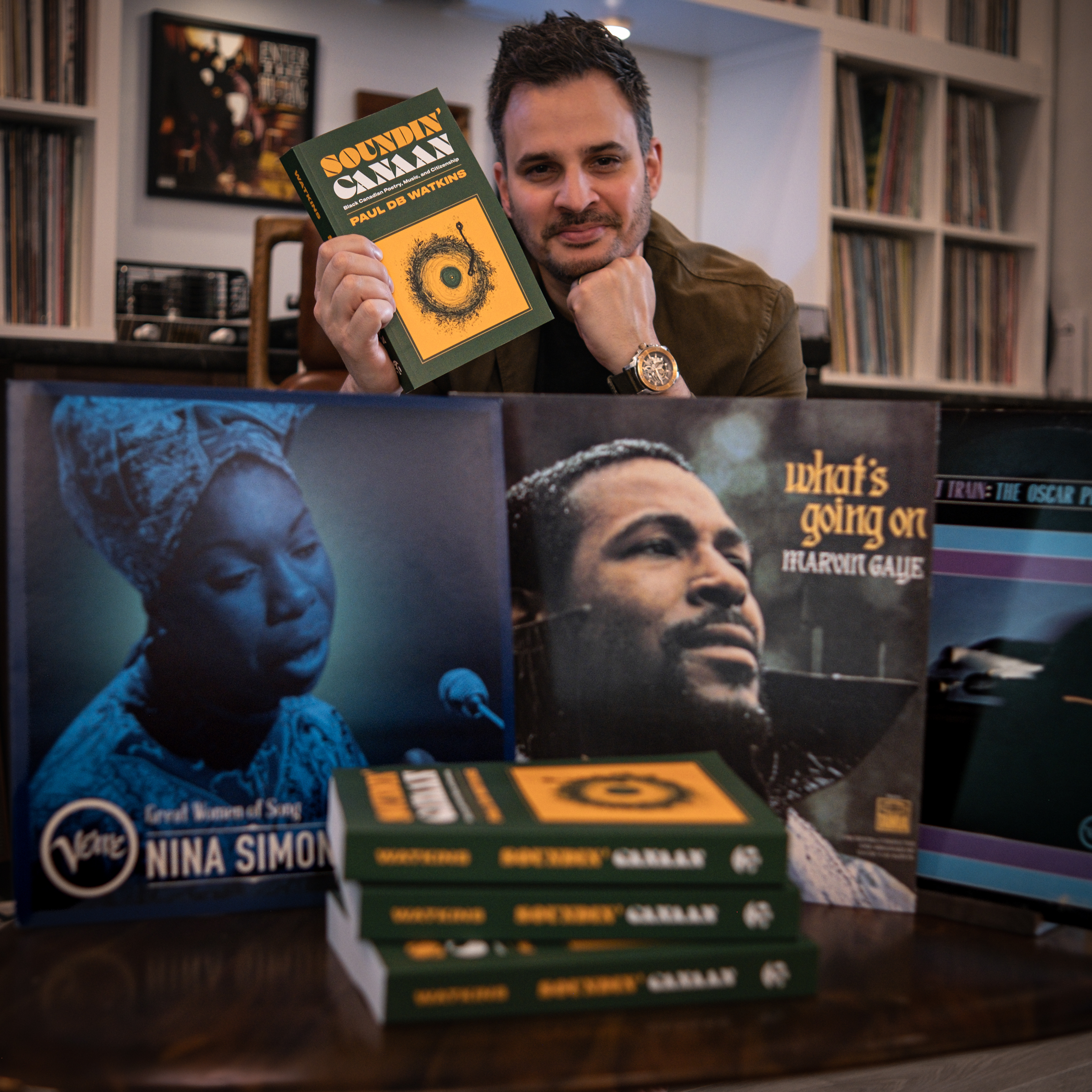
๐•Š๐• ๐•ฆ๐•Ÿ๐••๐•š๐•Ÿโ€™ โ„‚๐•’๐•Ÿ๐•’๐•’๐•Ÿ: ๐”น๐•๐•’๐•”๐•œ โ„‚๐•’๐•Ÿ๐•’๐••๐•š๐•’๐•Ÿ โ„™๐• ๐•–๐•ฅ๐•ฃ๐•ช, ๐•„๐•ฆ๐•ค๐•š๐•”, ๐•’๐•Ÿ๐•• โ„‚๐•š๐•ฅ๐•š๐•ซ๐•–๐•Ÿ๐•ค๐•™๐•š๐•ก is officially out! Seeing it in physical form is truly special. Music weaves through the book, and just in the Prelude, I reference Marvin Gayeโ€™s โ€œWhatโ€™s Going On,โ€ Nina Simoneโ€™s โ€œMississippi G**dam,โ€ and Oscar Petersonโ€™s โ€œHymn to Freedom.โ€ Get your copy today!

The first launch will take place on February 6th at The Vault Cafรฉ (499 Wallace St) and will feature poet and musician Sonnet Lโ€™Abbรฉ (Sonnetโ€™s Shakespeare) and Nanaimo Poet Laureate Neil Surkan (Unbecoming). Iโ€™ll also be performing remixed versions of sections from the book. Doors open at 6:30 p.m., and the readings will run from 7:00 to 8:00 p.m. Come by and grab a signed copy!

A second launch will happen in Victoria on March 13th at Paul Phillips Hall (1928 Fernwood Road). This event will feature poet Wayde Compton (Performance Bond, The Outer Harbour, Toward an Anti-Racist Poetics). Doors open at 6:30 p.m., with an open mic at 7:00 p.m. Featured readings and an interview will start at 7:30 p.m.

Local folks: I hope to see you at one of the events! Also, for any local Nanaimo folk, you can grab a copy of the book from @windowseatbooks.

Warmly,
Paul

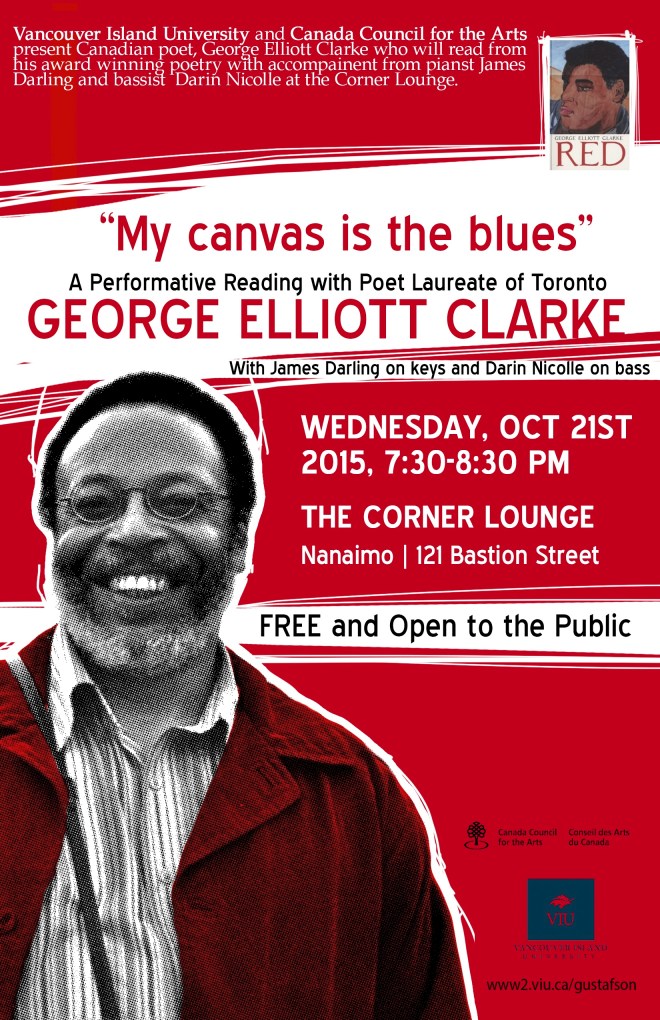
PRESS RELEASE: Celebrated โ€˜Africadianโ€™ Poet George Elliott Clarke Reads at VIU Oct. 22

Toronto Poet Laureate, playwright, and literary critic George Elliott Clarke, VIUโ€™s 2015 Gustafson Distinguished Poet, will deliver a free public lecture,ย On Entering the Echo Chamber of Epic: My โ€œCanticlesโ€ Vs Poundโ€™s Cantos, Thursday Oct. 22ndย at 7pm in building 355 on the Nanaimo campus.ย  Clarke introduces his epic poem, โ€œCanticles,โ€ in response to Ezra Poundโ€™s contentiousย Cantos, a 20th-century post/modern epic both vilified for its integration of fascist propaganda and heralded for its haunting lyricism. Pound, a classicist, nodded to T. S. Eliotโ€™s โ€œThe Waste Landโ€ and Stephen Vincent Benetโ€™s โ€œJohn Brownโ€™s Body,โ€ both of which skirted racist material yet refused to be contained, or restrained, by formalism.

Clarke will recite excerpts from his work-in-progress โ€œCanticles,โ€ which echoes slave and imperialist debates from Cleopatra to Celan. Clarke will also invoke contemporary poets Derek Walcott and NourbeSe Philip who invite harmonious, multiple, and multicultural voices in their revisions of Poundโ€™s controversial masterpiece. Clarke champions writers of African descent and coined the term, โ€œAfricadianโ€ to identify the Black culture of Atlantic Canada, a term he says is both โ€œliteral and liberalโ€”I canonize songs and sonnets, histories and homilies.โ€

Clarke traces his own inspiration to โ€œpoet-politicos: jazz trumpeter Miles Davis, troubadour-bard Bob Dylan, libertine lyricist Irving Layton, guerrilla leader and poet Mao Zedong, reactionary modernist Ezra Pound, Black Power orator Malcolm X, and the Right Honourable Pierre Elliott Trudeau.โ€ Clarke finds their โ€œblunt talk, suave styles, acerbic independence, raunchy macho, feisty lyricism, singing heroic and a scarf-and-beret chivalry quite, well, liberating.โ€

Clarkeโ€™s colleague and VIU English professor Paul Watkins says, โ€œFor George, poetry is not only a printed form, but also an oral art. His boisterous readings present the listener with a gumbo-concoction of jazz rhythms, blues-infused gospel vernacular, and plenty of play upon the standards of the larger literary tradition. This is poetry presented with the โ€˜lightning of prophecyโ€™.โ€

Clarke has published: a 13 works of poetryย includingย Whylah Fallsย (2002 Canada Reads contender),ย Execution Poems, winner of the Governor Generalโ€™s Award for Poetry,ย and his latestย Traverse;ย 4 plays, screenplays, or librettiย One Heart Broken Into Song,ย Beatrice Chancy,ย Quรฉbรฉcitรฉ,ย Trudeau;ย the novelย George and Rue;ย andย 4 anthologies of African-Canadian writing includingย Directions Home: Approaches to African-Canadian Literature. He has been the E.J. Pratt Professor of Canadian Literature at the University of Toronto for the last 12 years and holds 8 honorary doctorates from Royal Military College and Dalhousie, New Brunswick, Alberta, Waterloo, Windsor, Acadia, Saint Maryโ€™s universities. He received the Martin Luther Kingย Jr.ย Achievement Award, the Pierre Elliott Trudeau Fellows Prize, and Order of Nova Scotia and the Order of Canada.

After Clarkeโ€™s lecture, a catered reception, cash bar, and book signing will follow in Bldg 300โ€™s Royal Arbutus Room. Several of Clarkeโ€™s books will be sold at the VIU Bookstore. Courtesy parking is available in Lot N, in front of building 355. Clarke will also perform with musician James Darling at the Corner Lounge Wednesday October 21st 7:30-8:30. These events are sponsored by VIUโ€™s Faculty of Arts & Humanities, Writers on Campus, and the Canada Council for the Arts.

The Gustafson Distinguished Poetry Lecture was established in 1998 from the estate of the late, pre-eminent Canadian poet Ralph Gustafson and his wife, Betty. The Chair has been held by celebrated poets Don Domanski, Dionne Brand, Tom Wayman, Daphne Marlatt, Robert Bringhurst, Don MacKay, Jan Zwicky, Dennis Lee, Michael Crummey, and Katherena Vermette among others, most of whom have had their lectures published as chapbooks. An interview will also appear inย Portal2016, VIUโ€™s full-colour literary magazine, on stands in April.

For more info contact Chair of the Gustafson Committee Toni Smith atย Toni.Smith@viu.caย or to buy a chapbook contact the seriesโ€™ publisher Joy Gugeler atย joy.gugeler@viu.ca. For more information about the lecturers visitย http://www.mediastudies.viu.ca/gustafson/

See more at: http://www.mediastudies.viu.ca/gustafson/#sthash.Y6hAy6n0.dpuf

RED REVISED Gustafson Poet Poster PRINT[3]

clarke Poster-final copy

Fight the Power: On Spike Leeโ€™s Do the Right Thing and Social Unrest in Ferguson

“You’ve got to do the right thing.”
-Malcolm X

โ€œA riot is the language of the unheard.โ€
– Martin Luther King, Jr.

We are still grappling with what, in 1903, W. E. B Du Bois defined as the most divisive issue in America: โ€œthe problem of the Twentieth Century is the problem of theย color line.โ€ What Du Bois was getting at when he was talking about โ€œthe problem of the colour lineโ€ was to show that race is ultimately about how racism and power are correlated and socially constructed. Despite this construction, cultural theorist George Lipsitz argues, โ€œRace is a cultural construct, but one with deadly social causes and consequences.โ€ We like to think in 2014 (especially for those of us living under the banner of multicultural Canada) that racism is a problem of the past. In many ways we are still living with the vestiges of a slavery system, what Saidiya Hartmen refers to as โ€œthe afterlife of slaveryโ€ once practiced in America and Canada.

Last night it was announced that the police officer who shot an unarmed Michael Brown (at least 6 times) was not indicted by a grand jury. Even though Brownโ€™s family called for non-violent change (stating, โ€œWhile we understand that many others share our pain, we ask that you channel your frustration in ways that will make a positive changeโ€), soon after the grand jury announcement riots in Ferguson spiraled out of control. In many ways Brownโ€™s deathโ€”like the death of other unarmed black men, such as Oscar Grant III and Trayvon Martinโ€”became symbolic and systematic of a broken justice system. How are oppressed people supposed to do the right thing, irrespective of whether the approach taken is Malcolm X or Martin Luther King, Jr. in strategy? The problems are so deeply rooted that the entire system requires a complete overturn. Itโ€™s like terrorism, which too cannot be stopped by addressing symptoms and not the causes that bread violence: poverty, inequality, and other violence. The same goes for a riot: we are quick to condemn a riot rather than ask, what is at the root of such public outrage?

It is fitting that I had Spike Leeโ€™s seminal film Do the Right Thingโ€”a powerful work of cinematic verveโ€”scheduled to watch in one of my English classes this morning. Although released 25 years ago in 1989, Do the Right Thing remains as pertinent as ever, particularly against the recent backdrop of race riots and social unrest in Ferguson. Lee was instrumental in launching a new wave of Black cinema in 1986 with his renowned protofeminist film, Sheโ€™s Gotta Have It (although bell hooks takes Leeโ€™s work to task as antifeminist). In the way that Sheโ€™s Gotta Have It draws its energy from Brooklyn, Do the Right Thing too uses Brooklyn as the backdrop for a slowly brewing race riot. As the thermometer goes up, the film intensifies. The last act of the film is so powerful that some in the media contended that white people should not see the movie in theatres because there might be riots. This is racist because it assumes that only white people can tell the difference between reality and representation.

For many film critics, much of the focus was on the loss of Salโ€™s Pizzeria while the murdering of Radio Raheem in a brutal chokehold didn’t register. One of the critiques of the film is that Spike Lee does not provide an answer to racism or prejudice at the end of the film. In my opinion this is the real strength of the picture. As Roger Ebert wrote in his review, โ€œHeโ€™d [Lee] made a movie about race in America that empathized with all the participants. He didnโ€™t draw lines or take sides but simply looked with sadness at one racial flashpoint that stood for many others.โ€ Ferguson stands for so many ongoing racial malaises in the West that we could spend entire books unpacking them. In this short post, I hardly have the space to delve into them, but I make the comparison between the film (representation) and the current reality (Ferguson) to draw attention to how racism (and the fiction of race) continues to dehumanize those who are non-white as lesser and inferior. Racism like colonialism is a matter of power: it is about who gets to decide whoย is more pure, more capable, more rightโ€”essentially, more white. The protestors in Ferguson are fighting for a voice because historically they have been silenced.

There are no simple answers to deal with the tensions and injustices that beget civil disobedience. In Do the Right Thing, as the long hot summer day wanes, you can gradually anticipate the moment where the trash can smashes through the pizzeria and sparks a riot. Racism is a sicknessย so imbedded in America (and Canada) that it is only a matter of time before tensions boil over. I am for peaceful protest butโ€”especially for those who face unspeakable horror and injusticeโ€” sometimes the only response that feels appropriate is a version of Malcolm Xโ€™s โ€œby any means necessary.โ€

Even Martin Luther King, Jr., who is often remembered for his approaches to civil liberty through nonviolence, once said: โ€œMassive civil disobedience is a strategy for social change.โ€ Of course, how we define civil disobedience is a matter of interpretation. I donโ€™t think riots necessarily solve anything; more likely, they bring out the worst in all parties involved, but I do understand that people riot when they feel desperate. Like the โ€œloveโ€ and โ€œhateโ€ brass knuckles that adorn the hands of Radio Raheem (and like Public Enemyโ€™s โ€œFight the Powerโ€ blasting out of his portable ghetto blaster), we need to find ways to use love to battle the hate that cannibalizes contemporary North America. We need to continue to find creative, positive, hopeful, and, at times, militant ways, โ€œto fight the powers that be.โ€

From The Second Storey Interview: Railroad and Rhythm

I was on the radio earlier today. I spoke about my own work, music, and read part of my poem, Soundin’ Canaan. I was asked to choose two pieces of music to bookend my interview, and selected Oscar Peterson’s moving “Hymn to Freedom,” and Marvin Gaye’s “What’s Going On.”

Jerry Prager, a local historian spoke first about his new book, Laying the Bed: The Native Origins of the Underground Railroard.ย I come in around 35 minutes after the Oscar Peterson piece.

The interview can be viewed in theย From The Second Storyย archive, “12:00 PM ON MONDAY MARCH 10, 2014.”

Cheers,
Paul

Improvisation as an Act of Faith

On December 6th, Improvisation, Community, and Social Practice (ICASP) presented a symposium (โ€œSpirit(s) Improvise”) on improvisation and spirituality. โ€œSpirit(s) Improvise” brought together distinguished scholars, musicians, and spiritual practitioners to explore the relationship between improvisation and spirituality. One of the primary questions asked was how can improvisation and spirituality, broadly defined as frameworks through which people imagine and enact alternative ways of being in the world, contribute to our understandings of imagination and creativity, community and space, and transcendence and hope?

Held at and co-sponsored by the Macdonald Stewart Art Centre, the well-attended event sparked animated conversations and debates about the relationship between improvisation and spirituality from a variety of perspectives: musical, political, social, and theological.

For speaker bios and abstracts, click here.

Below are some photos from the event.

DSC_1038
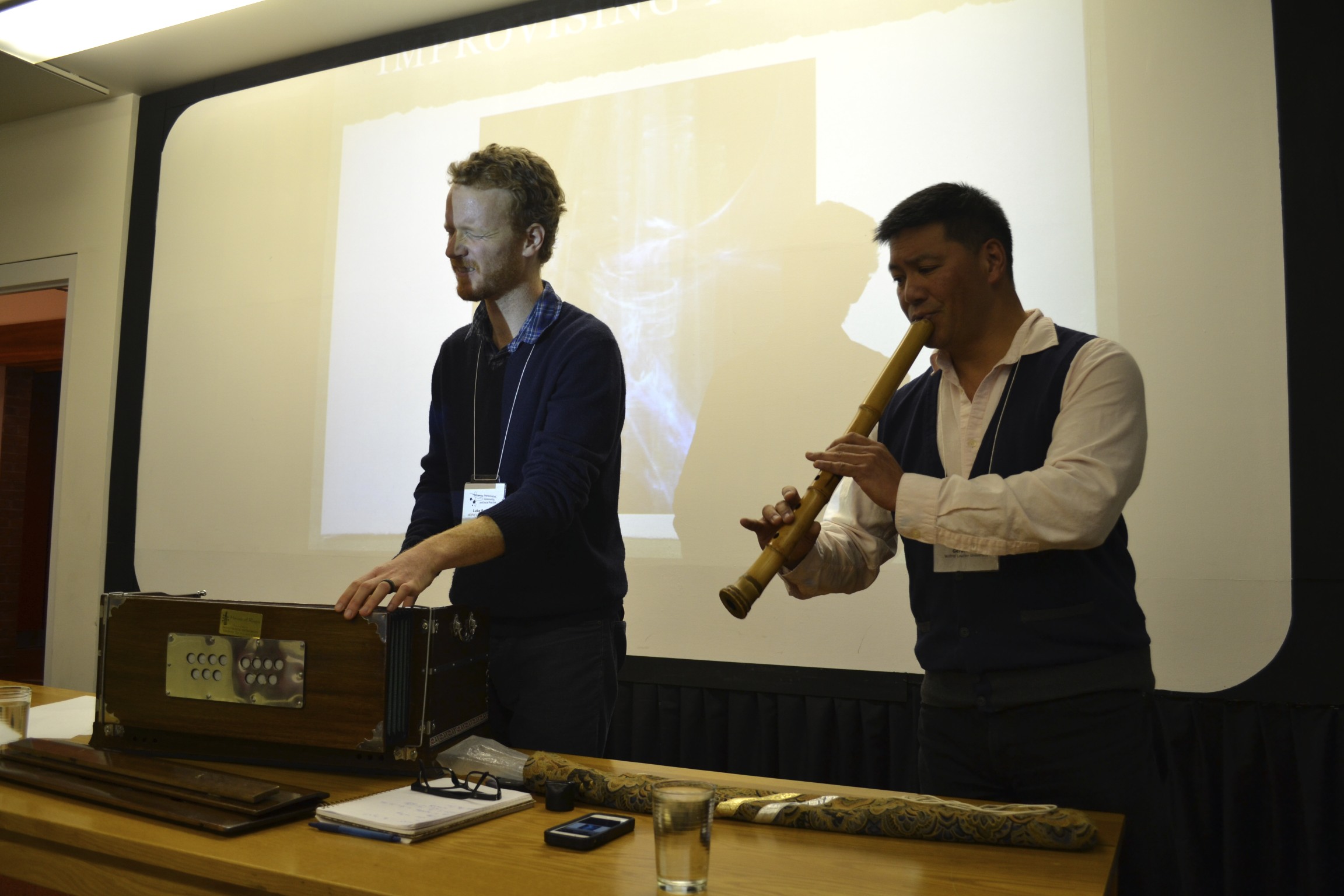
Gerard Yun (Music, University of Waterloo) and Luke Burton (Wilfrid Laurier Unviersity) “Beyond Traditions: Yogic Chant and Shakuhachi in Contemporary Improvisation.”

DSC_1045
Ajay Heble introduces the keynote speaker.

DSC_1048
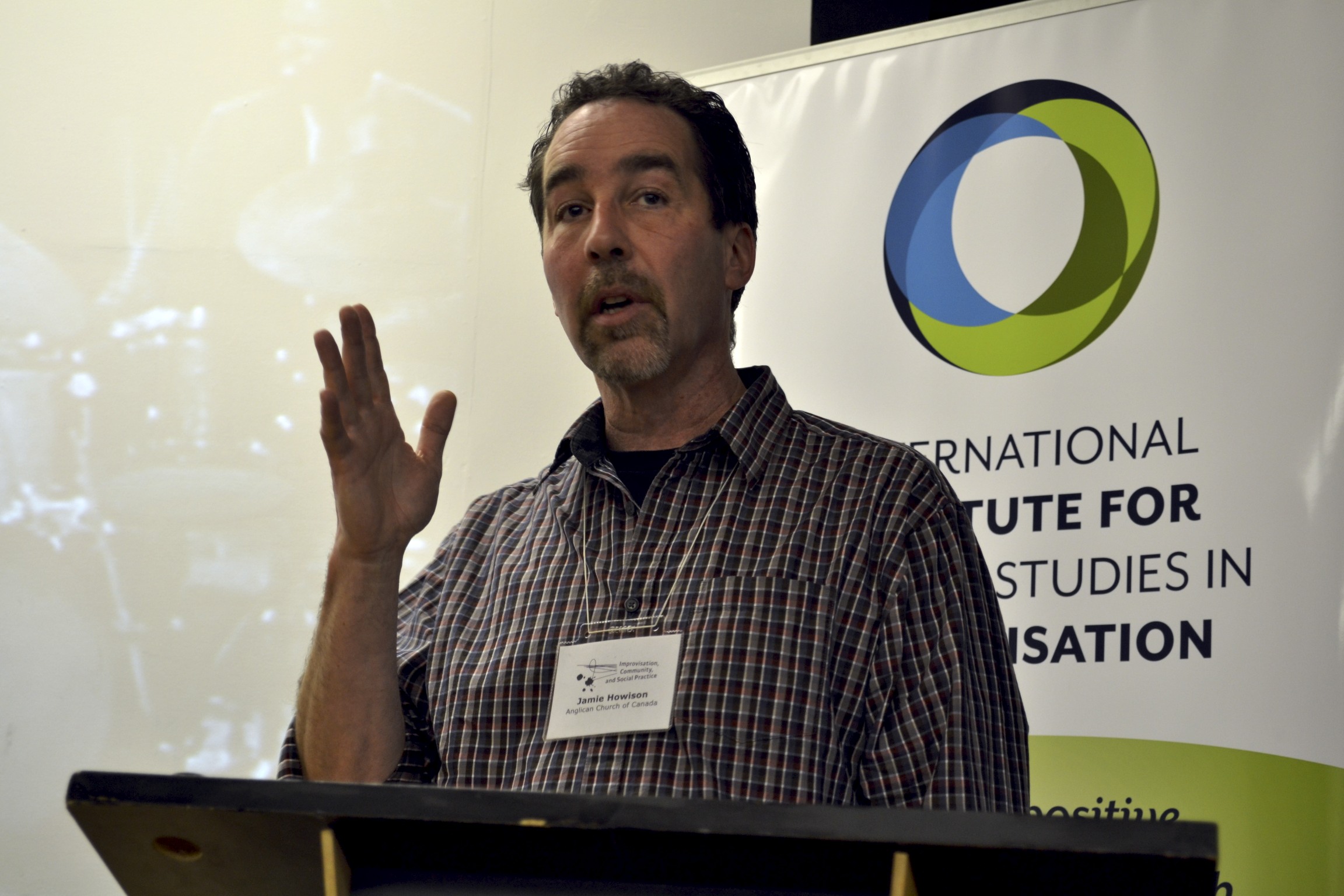
Anglican Priest, Jamie Howison, delivers a keynote entitled, “Improvisation as an Act of Faith.”

DSC_1049
There were lots of engaged questions from the audience.

DSC_1053
Lauren Levesque (Improvisation, Community, and Social Practice, University of Guelph), “Protest Music Performances as Methodological Frameworks for Re-envisioning Engaged Spirituality: Implications for Improvisation.”

DSC_1057
The event concluded with a fully improvised performance.

DSC_1058
David Lee.

DSC_1059 ย DSC_1063

Adapted from a write-up by ย Laurenย Levesque.
All Photos by Paul Watkins.

Tomomi Adachi

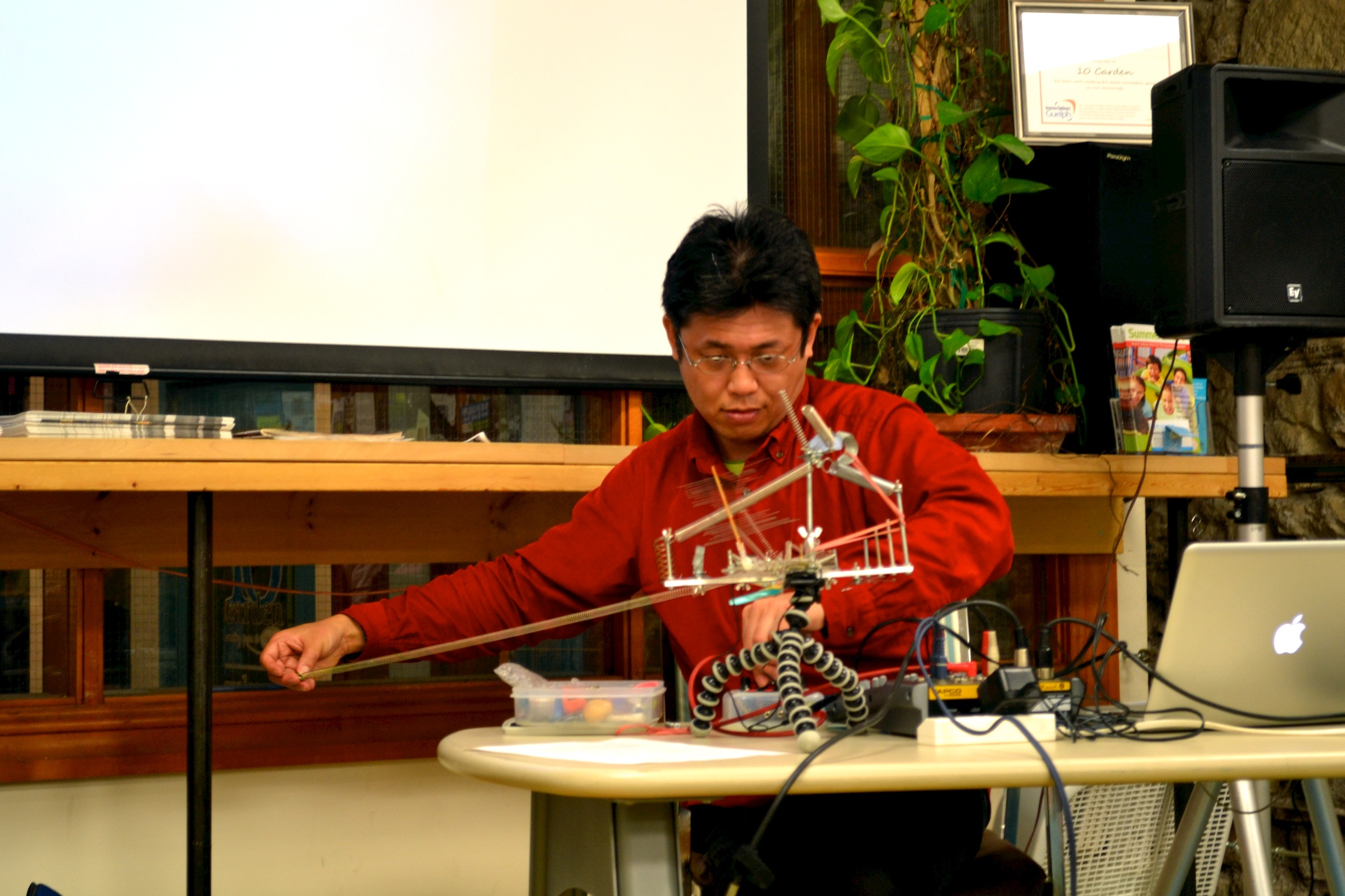
Adachi  performs on a self-made instrument.
Tomomi Adachi performs on a self-made instrument.


Tomomi Adachiย (่ถณ็ซ‹ ๆ™บ็พŽ) is a Japanese vocal and electronics performer, improviser, composer, instrument builder, installation artist, theatre director, and sound poet. He is the only performer of sound poetry in Japan and performed Kurt Schwittersโ€™ โ€œUrsonateโ€ for the first time in Japan. He has performed with numerous musicians, dancers, and filmmakers, and along with his incredible vocal improvisations, he is known for his unique improvisations on his self-made instruments, many of which are made from Tupperware: a material that is both affordable and portable.ย Adachi describes his creations as an extension of his improvisatory practice: โ€œI began to build instruments by myself in 1994, it was almost the same period with starting my activity as an improviser.โ€ Last month in Guelph, Ontario we were treated to a performance by Adachi on one of his self-made instruments, as well as a vocal performance, followed by a self-reflexive talk about his artistic praxis.

The event took place at the inauguralย Thinking Spaces Reading Groupย in Guelph. After the performance, Adachi discussed his work as an improviser with a focus on his own approach toย self-made instruments, as well as his newest project PUTIF (Peopleโ€™s United Telepathic Improvisation Front), a collaboration withย Jennifer Walshe. In PUTIF, Walshe and Adachi improvise together at a specified time in two separate locations, listening to one another at distances beyond the reach of the human ear. These improvisations are recorded and later combined and compared. They also encourage others to listen telepathically to their improvisation and send in descriptions of what they hear. At the Reading Group, Adachi discussed how telepathy functions as a conceptual framework for musical improvisation, demonstrating how others can be present in their absence. He also discussed how improvisation can be a tool for being together despite physical distance, as well as posing questions about the advantages of telematic technology in an age where it is becoming increasingly common.

If you get a chance you should check out Adachiโ€™s fantastically creative work.ย For now, here is aย videoย of Adachi performing on a self-made instrument, similar to the one he performed with in Guelph:

And, here are a couple photos of Tomomi Adachiโ€™s performance and visit to Guelph.

DSC_0874

DSC_0880
All photos of Tomomi Adachi by Paul Watkins.

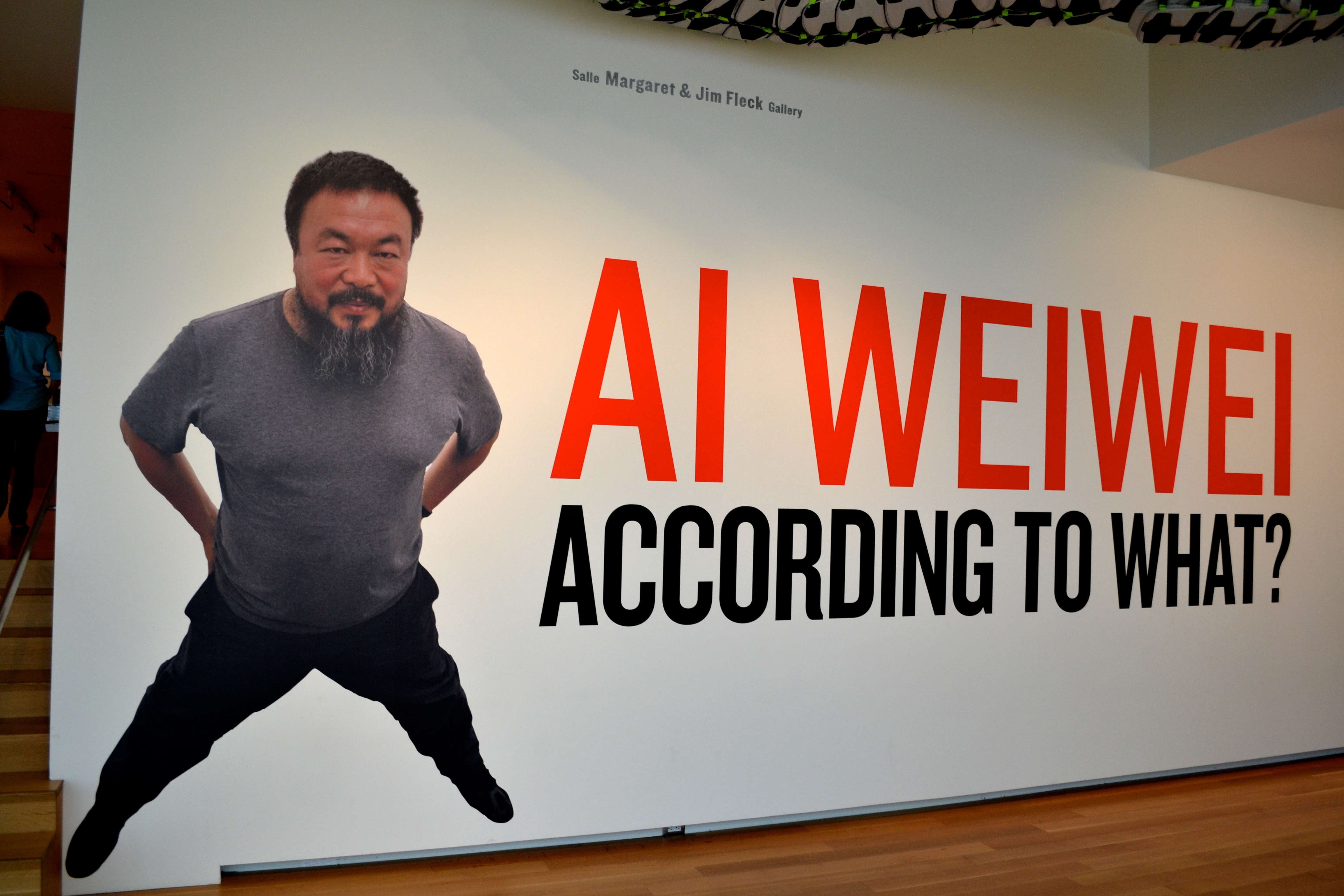
Ai Weiwei: According to What?

DSC_0917

Dissident artist Ai Weiwei (่‰พๆœชๆœช) remains relentless in his pursuit of free expression through art, social media, andย political protest. For Ai Weiwei there is no clear division between art and politics. For him, art is a vehicle for social change, and a vehicle for the possible. After recently watching the documentary, Ai Weiwei: Never Sorry, I was particularly excited to see his major exhibit, According to What?, currently at the Art Gallery of Ontario (AGO) until October 27th, 2013.

For those who don’t know, Ai Weiwei is one of Chinaโ€™s most prolific and provocative contemporary artists. Through his art he advocates for freedom of expression and places value in individual lives within the totalitarian state. After an earthquake in Chinaโ€™s Sichuan province in 2008 killed more than 5,000 children he has become ever more outspoken in his criticism of the Chinese government. His activism and controversial artwork has led to the seizure of his passport and he is currently not allowed to travel outside of China.

Everything is art. Everything is politics.

-Ai Weiwei

In addition to working in a wide range of media, Ai Weiwei utilizes social media to make art and connect with the world. If I wasn’t already so busy, I’d sign up for Chinese language lessons so I could read his twitter feed. For now, I’ll have the artwork from his latest exhibit in Toronto to reflect upon.

Ai Weiwei's Snake Ceiling, a serpentine form made from children's backpacks, commemorates the thousands of students who died in poorly constructed schools during the 2008 Sichuan earthquake.
Ai Weiwei’s Snake Ceiling, a serpentine form made from children’s backpacks, commemorates the thousands of students who died in poorly constructed schools during the 2008 Sichuan earthquake.

This piece demonstrated the different moon phases.

DSC_0925
Grapes (wooden stools from the Qing Dynasty, 1644-1911).

Cat toy.
Cat toy.

Teahouse: these three sculptural forms are made from solid blocks of Puโ€™er tea grown and harvested in southwest China. Fermented and aged using traditional methods, the tea has been compressed and moulded into the shape of houses, which are surrounded by a field of loose tea leaves. Teahouses were the social centre of traditional Chinese culture.

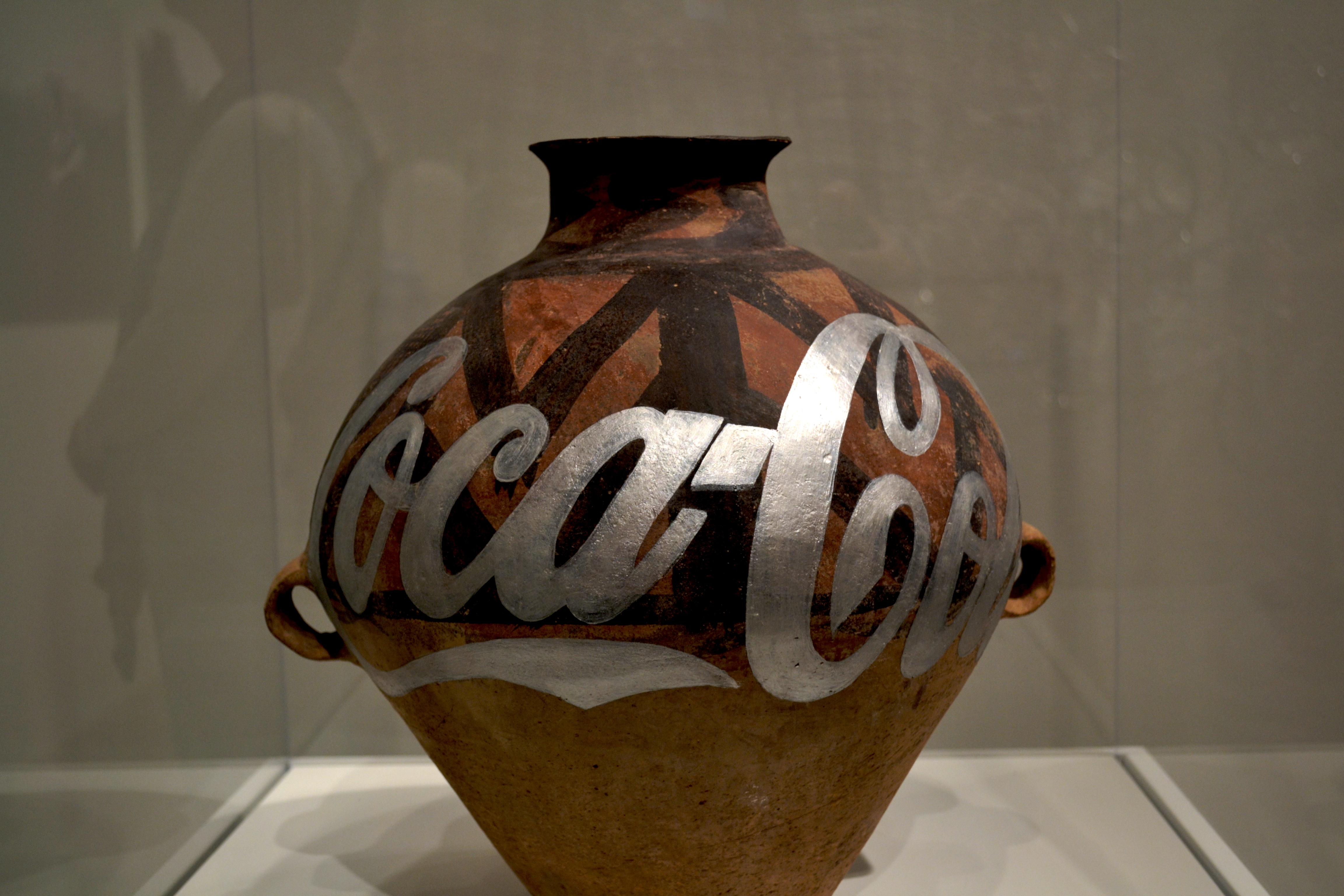
Ai's most controversial work involves altering revered objects, like these paint-covered ancient Chinese vases.
Ai Weiwei’s most controversial work involves altering revered objects, like these paint-covered ancient Chinese vases.

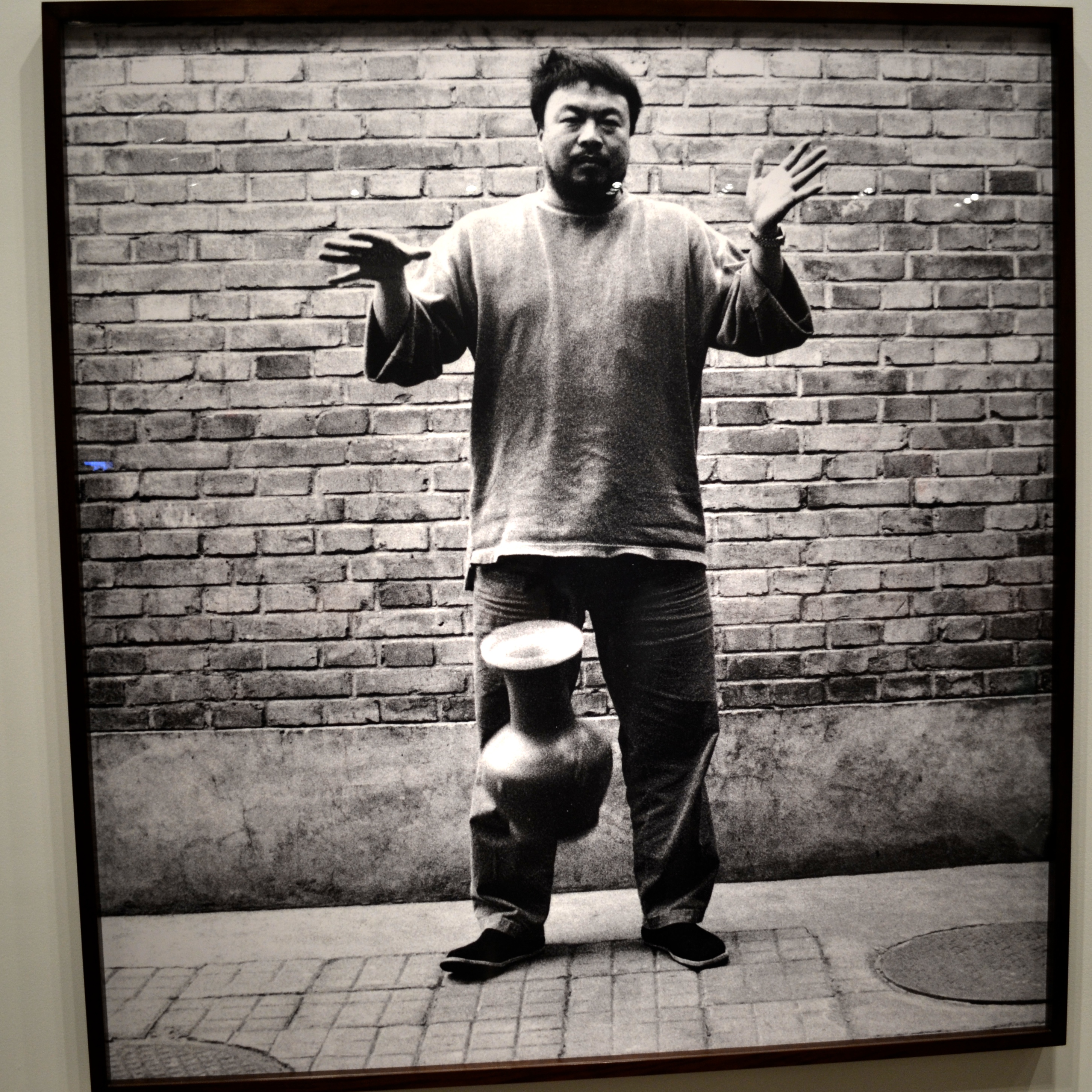
Here Ai Weiwei is dropping a Han Dynasty Urn (part of a photographic triptych).

Another graffitied urn.

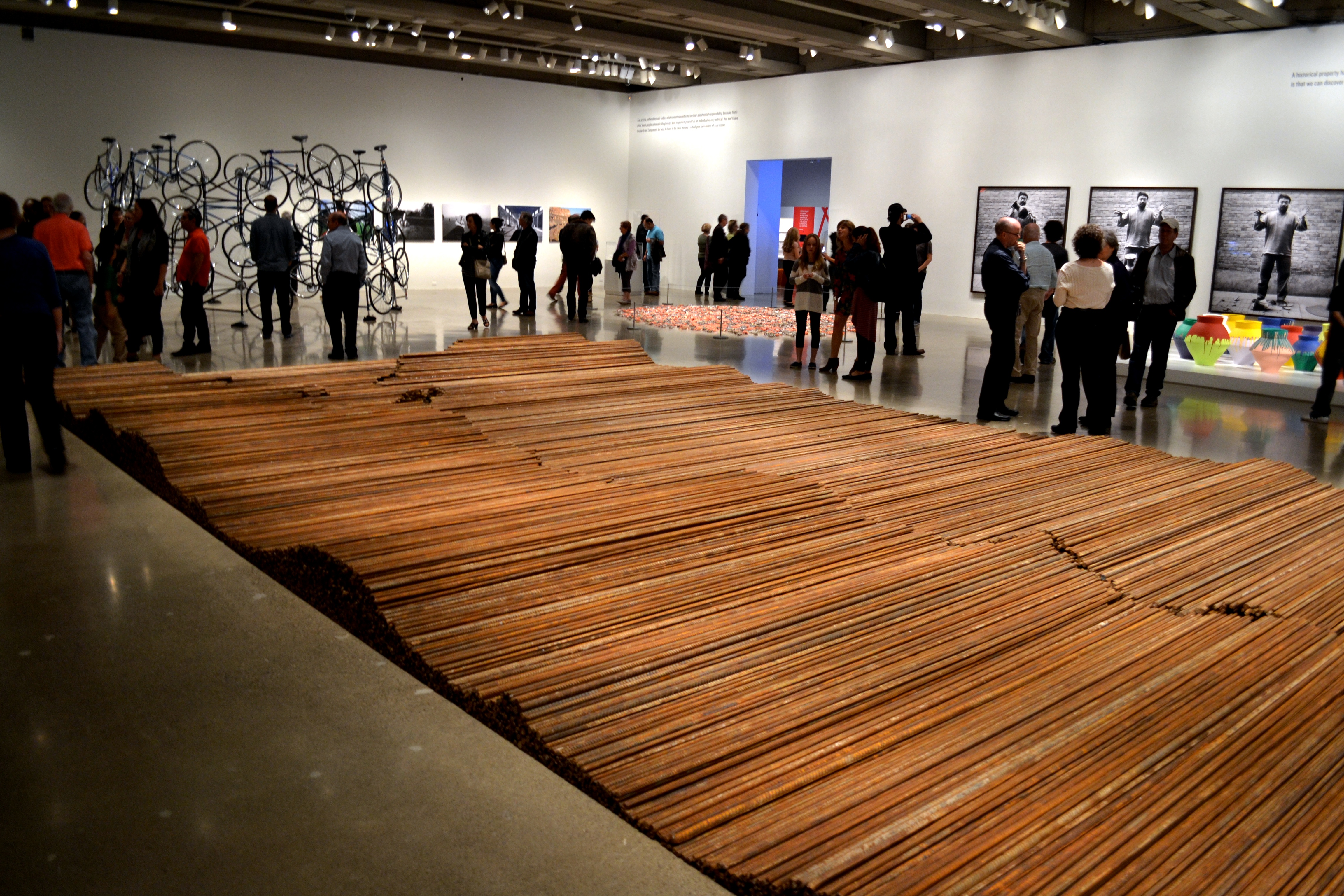
Ai Weiwei created this piece, Straight, from rebar he recovered from collapsed schoolhouses following the 2008 earthquake in Sichuan Province. Each mangled piece of rebar was straightened through a laborious process.

He Xie, or "river crab," consists of more than 3,200 porcelain crabs. "He xie" is also a homophone for the Chinese word for "harmonious," which is part of the Chinese Communist Party slogan. Today, "he xie" has become an ironic Internet euphemism for official censorship.
He Xie, or “river crab,” consists of more than 3,200 porcelain crabs. “He xie” is also a homophone for the Chinese word for “harmonious,” which is part of the Chinese Communist Party slogan. Today, “he xie” has become an ironic Internet euphemism for official censorship.

China in the rings of a log.

Ai Weiwei and me.
Ai Weiwei and me.

The image says it all.

All Photos by Paul Watkins.