“Manifesto’s point of origin lies in hip hop culture – in its spirit of ingenuity, raw creativity, and people power, but we strive to stay out of boxes and create a platform with the potential to act as a catalyst for cross-pollination, collaboration, and the growth of new forms in this city of wildly talented people.” -Manifesto website.
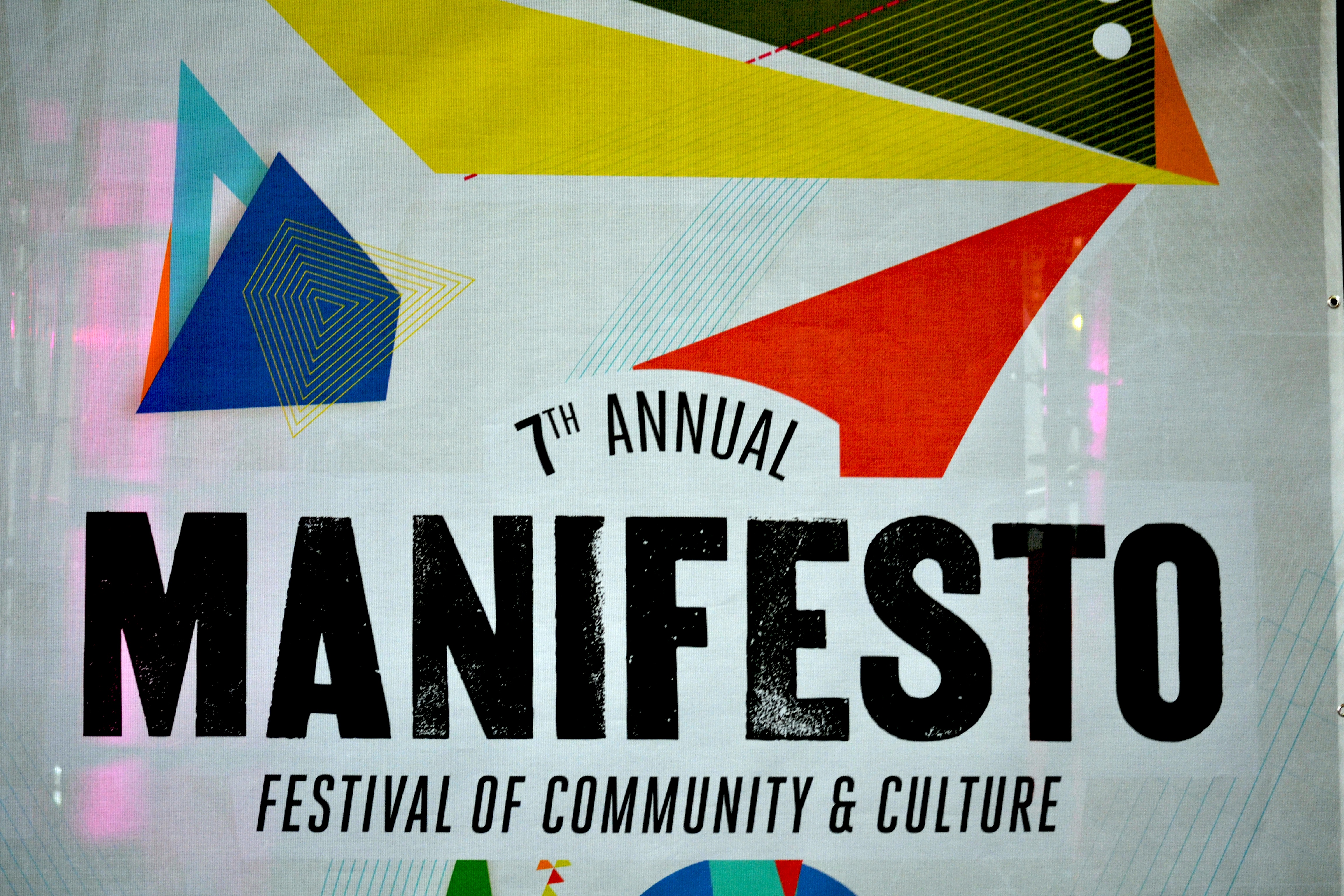
7th Annual Manifesto Festival
The annual Manifesto Festival of Community & Culture is one of the reasons I love living right beside the Yonge-Dundas Sq.
Manifesto is a non-for-profit grassroots organization with a focus on youth and hip-hop culture, with the aims to educate, unify, and provide amazing music to the masses. The local and the global combine for four days of live events featuring musicians, producers, visual artists, and dancers, to panels with industry experts and even mentor sessions, and this year’s festival had even more in store than previous iterations. Another great thing about Manifesto is that it brings hip-hop legends to Toronto – for free! In 2011, I saw Rakim rock the stage, and in 2012 Pharoahe Monch killed it live with hip-hop and local jazz upstarts, BadBadNotGood.
Rakim at Manifesto, 2011.Pharoahe Monch at Manifesto, 2012.
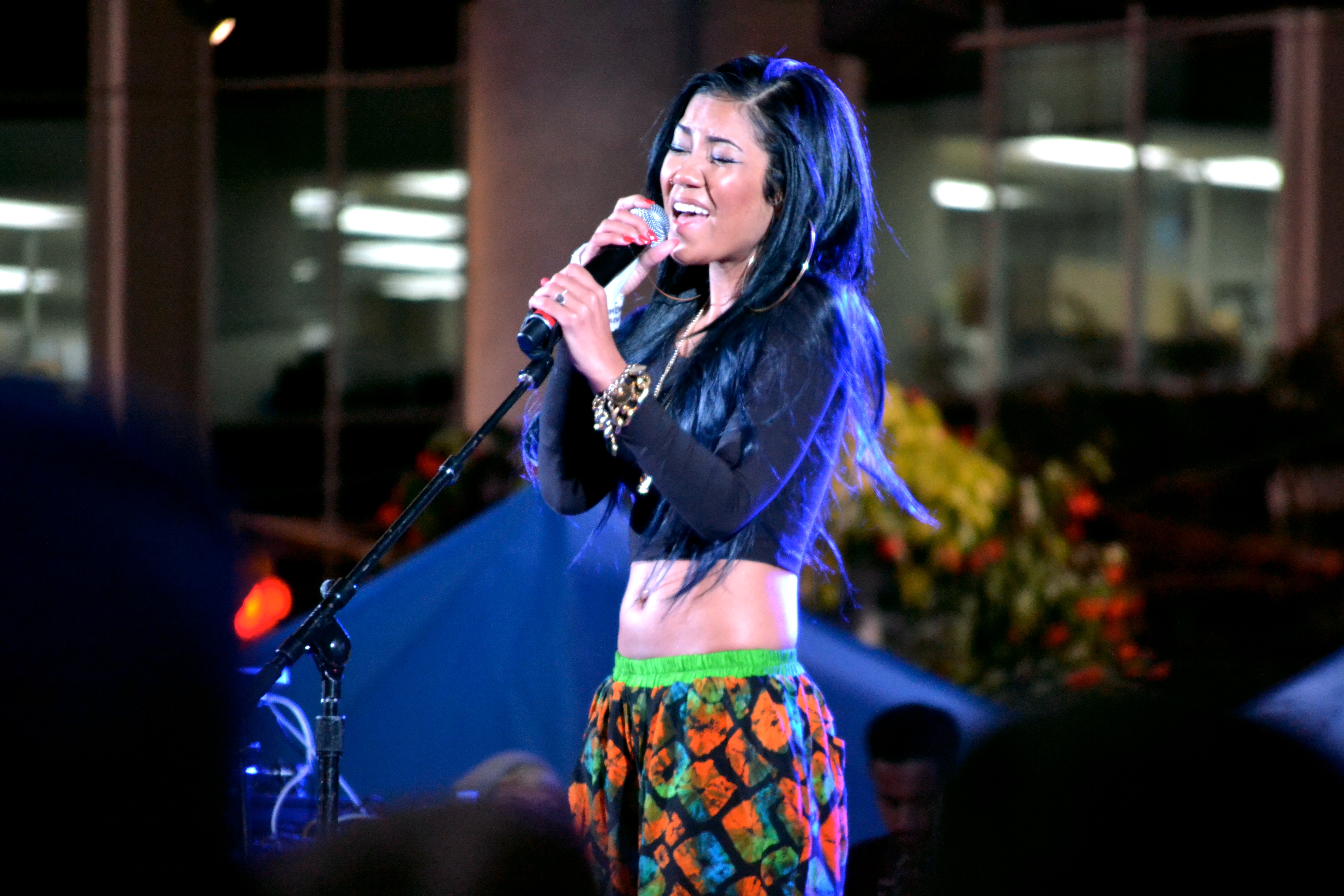
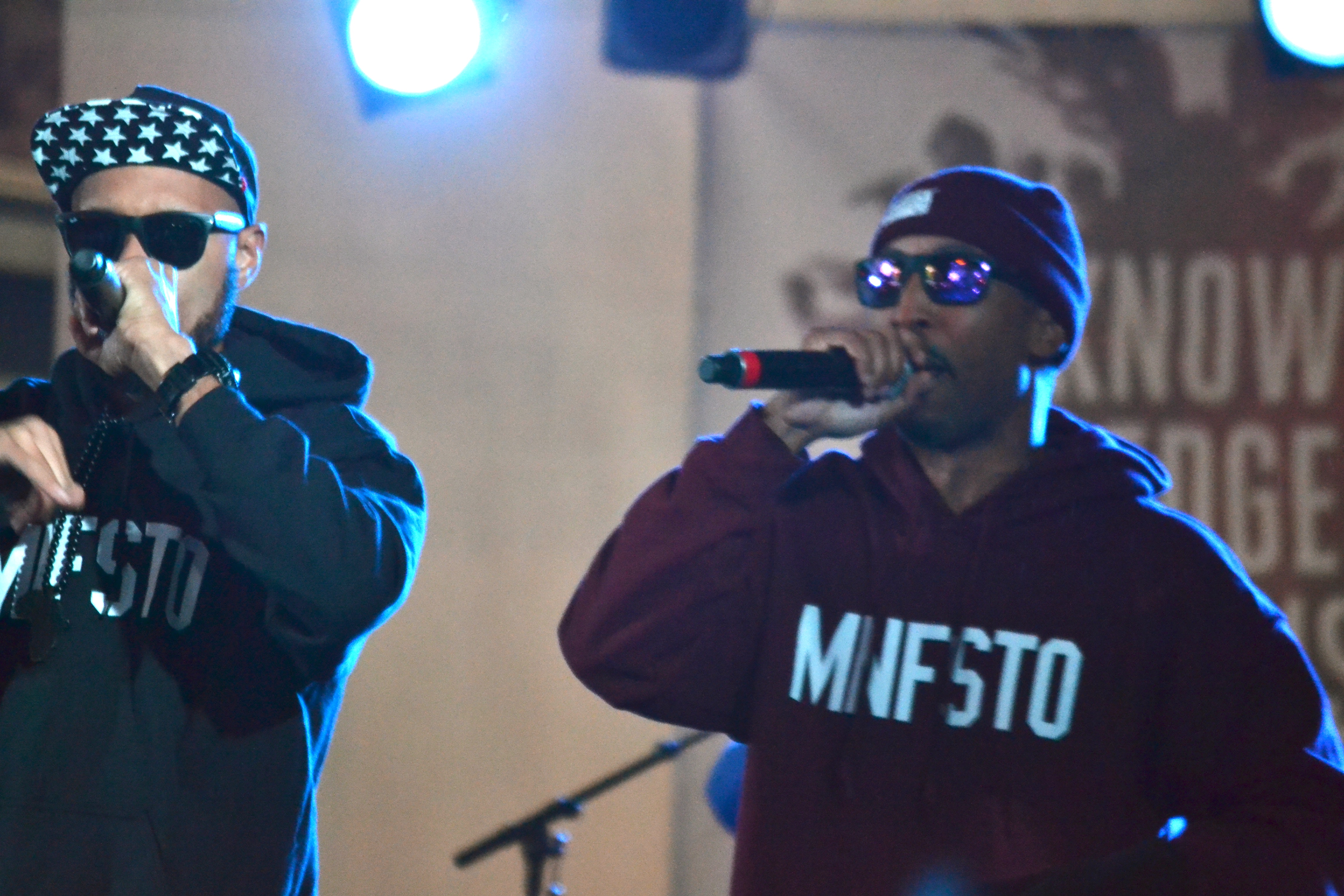
This year’s festival featured amazing headliners, including soon to be big Jhené Aiko, and the legendary Souls of Mischief crew, celebrating their 20-year Anniversary of their classic, 93 ‘til Infinity! Souls of Mischief is a hip-hop group from Oakland, California, part of the hip-hop collective Hieroglyphics and consists of emcees A-Plus, Opio, Phesto, and Tajai. I remember seeing them back in 2003, and I can say with assurance, they are still every bit as dope 10 years later.
For those unacquainted with 90s hip-hop, here’s the video for “93 ‘til Infinity.”
…and here’s a recent remix of 93 ‘til Infinity aptly titled 93 Still by Gummy Soul.
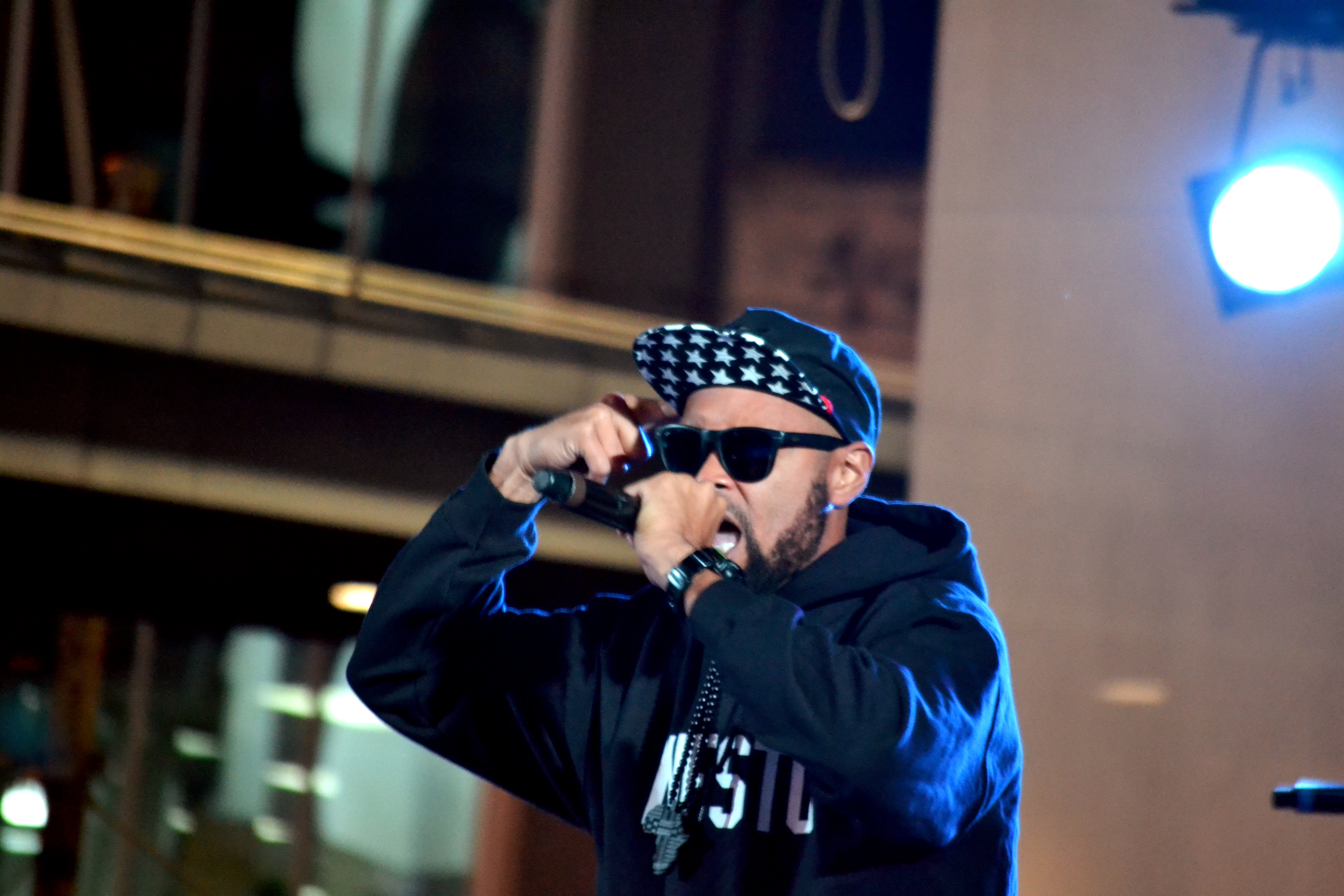
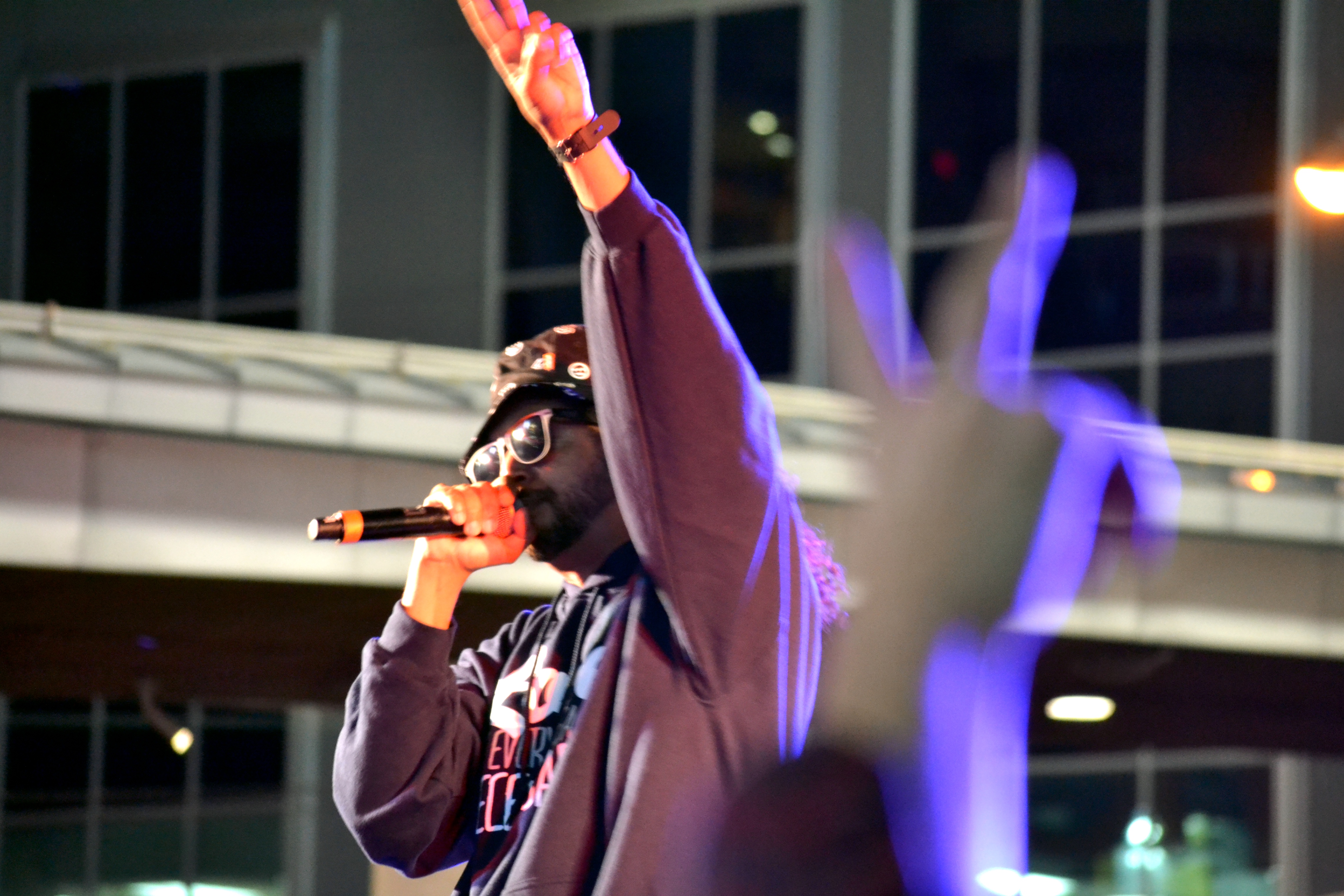
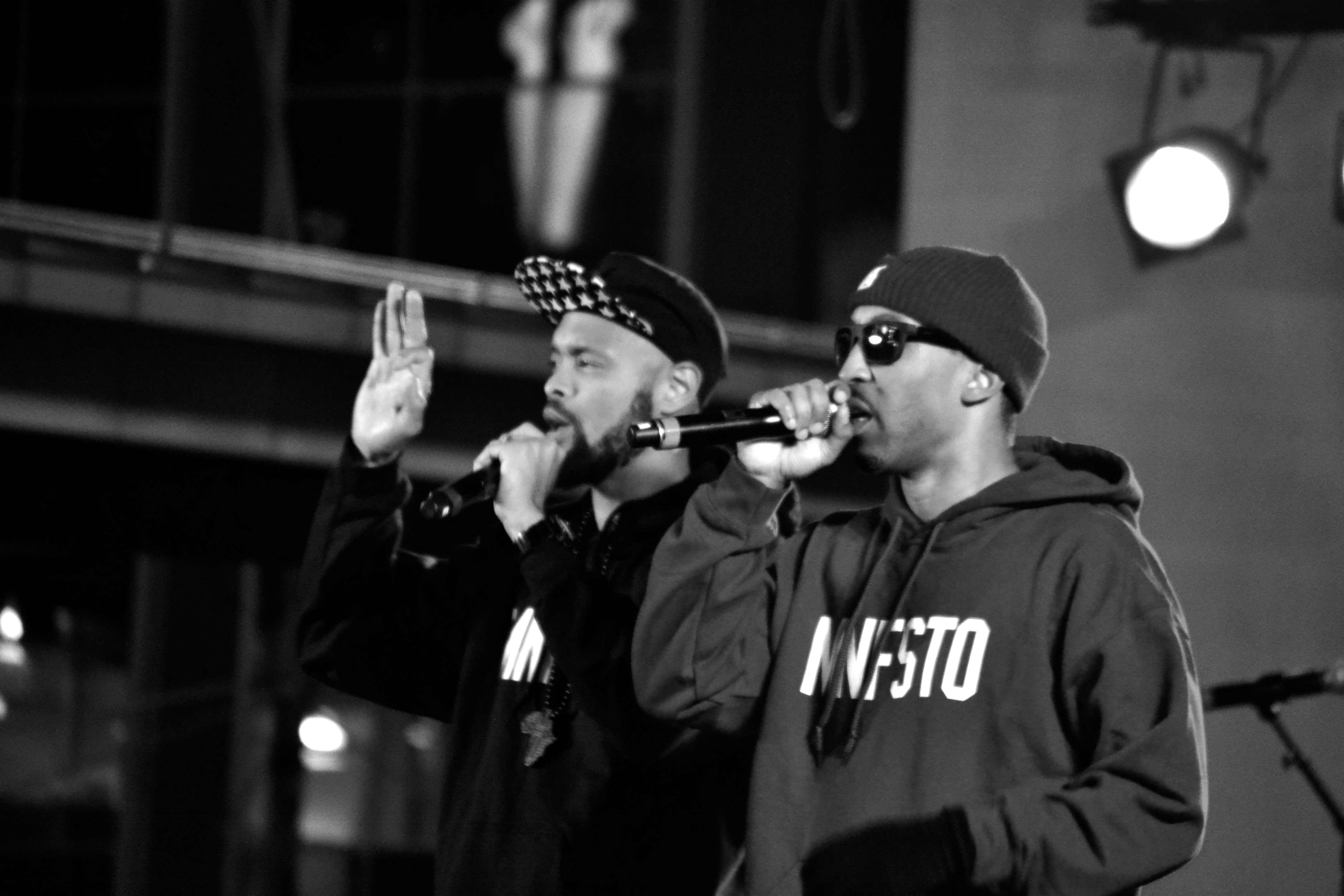
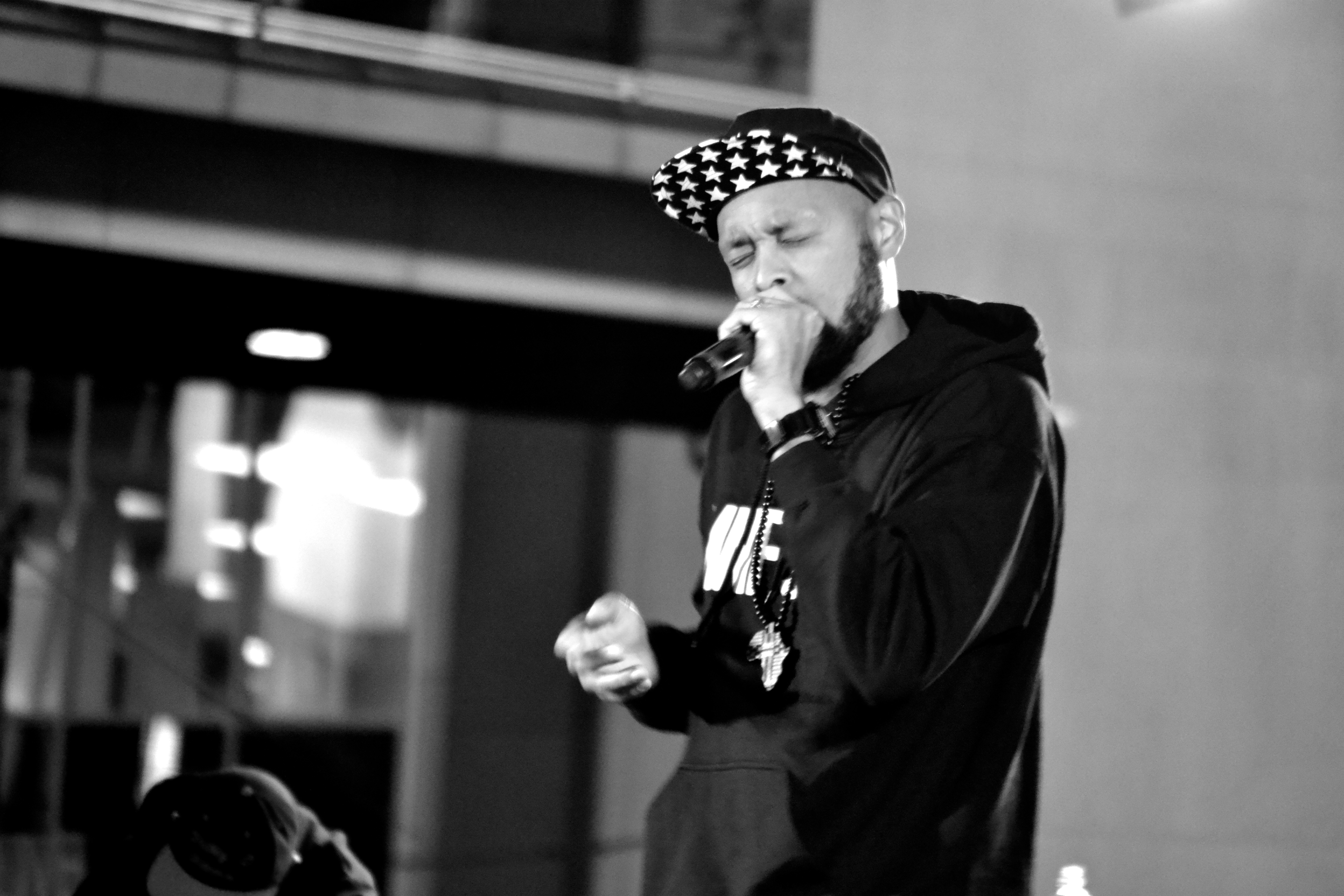
…and here are some pictures I snapped of this year’s headliners.
Shad rolled through as a surprise guest, playing “Rose Garden” and some new material.The talented (and sexy) Jhené Aiko .Souls of Mischief take the stage.
The 20th Anniversary of the Guelph Jazz Festival and Colloquium was another resounding success. Over the last twenty years the Festival has burgeoned from what Artistic Director Ajay Heble describes as “very modest origins into a vital social-purpose enterprise.” It has become an inclusive meeting place where enthusiasts of creative, innovative jazz and improvised music gather once a year to be inspired, engaged, even healed, while participating in one of the planet’s most diverse listening communities. The festival is a reminder of how you can create something from little more than a good idea and a love for the music. This year’s festival and colloquium was no exception, boasting sold out shows, packed colloquium talks, world premieres, enchanting Nuit Blanche performances, and a constellation of musical styles, with musicians and listeners in dialogue with the music in the space of the now.
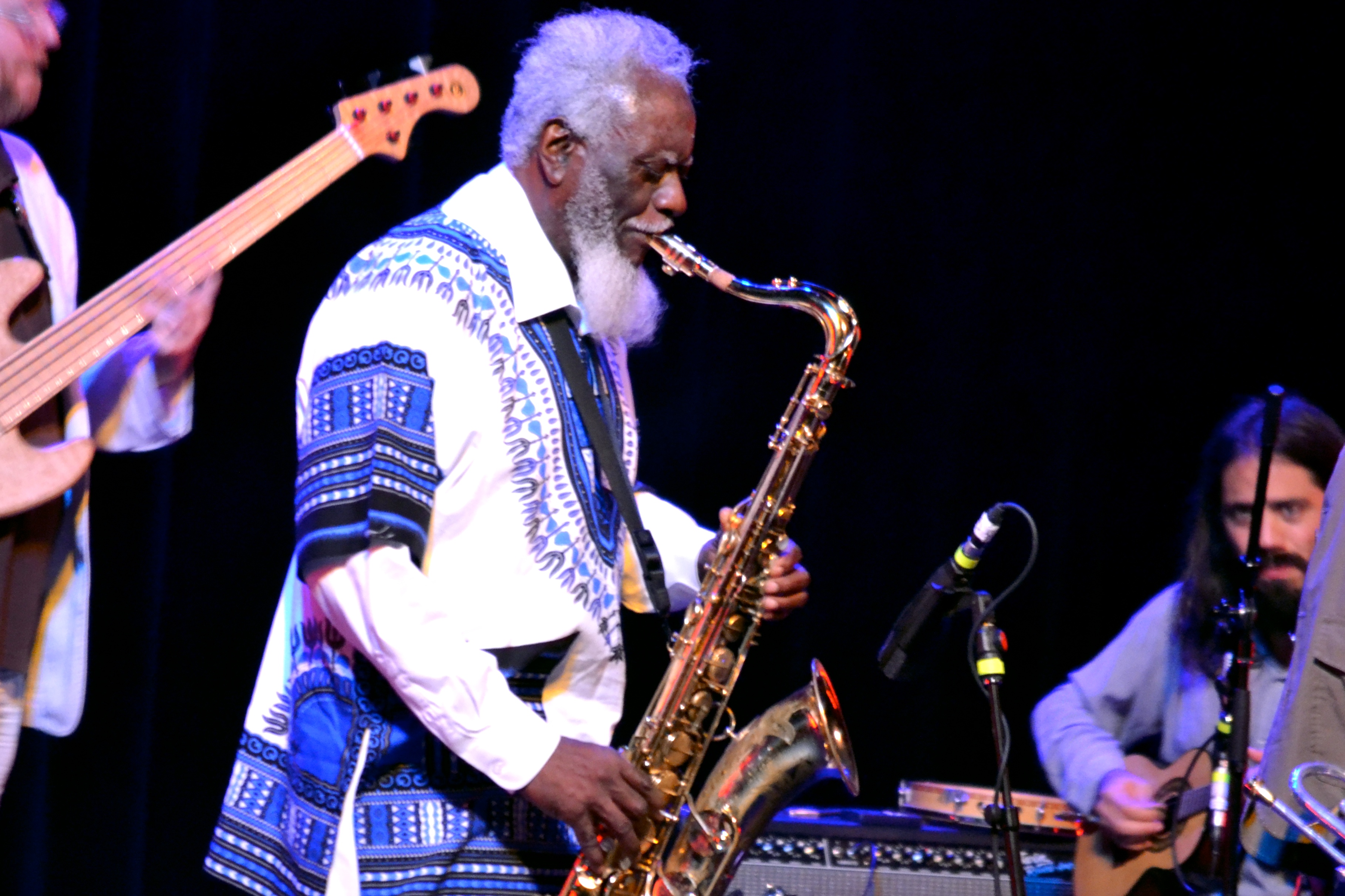
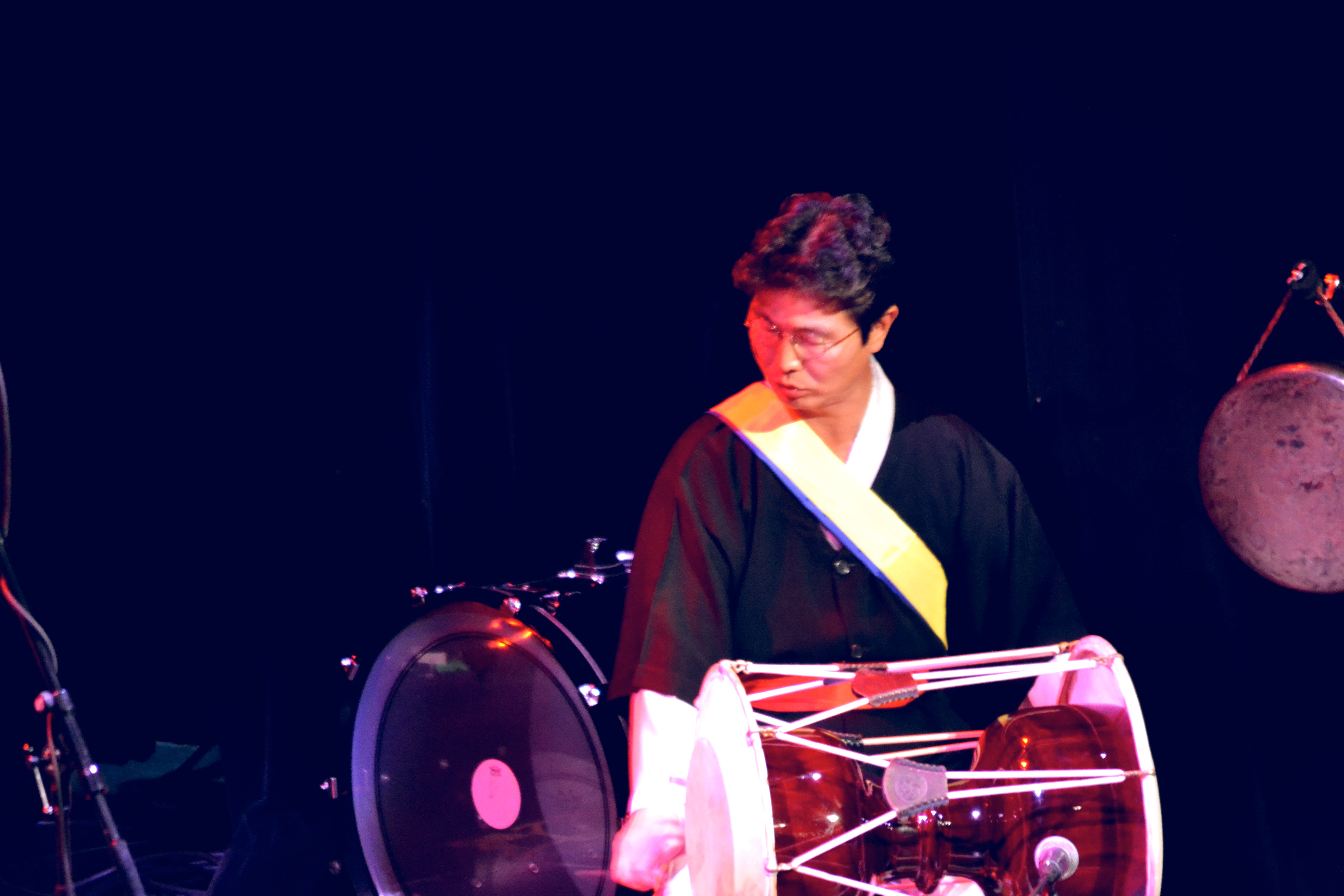
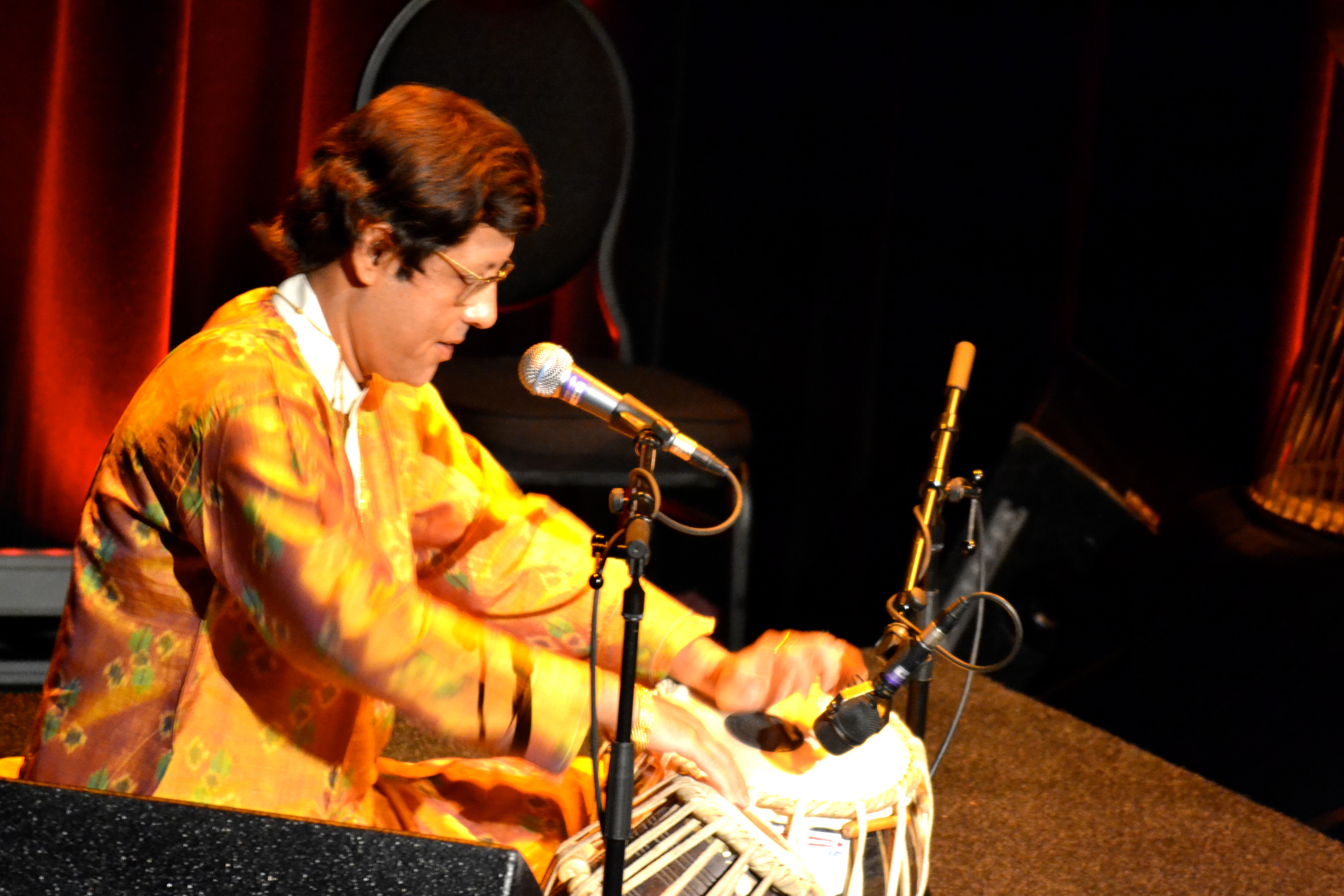
In honour of the 20th Anniversary, the festival was extended by an extra day to launch a new-partnered research institute, the International Institute for Critical Studies in Improvisation. The launch of the institute culminated in a symphony of drums with the World Percussion Summit. The improvising percussion quartet featured master drummers Jesse Stewart (Ontario), Hamid Drake (USA), Dong-Won Kim (South Korea), and Pandit Anindo Chatterjee (India).
Don-Won KimPandit Anindo Chatterjee.Jesse Stewart and Pandit Anindo Chatterjee.Jeff Schlanger, musicWitness-in-Residence, captures it all.
As usual, the Colloquium (co-presented between ICASP and the Guelph Jazz Festival) was top-notch and remains one of the few events in North America to combine scholarly activity with a music festival. The talks and music performances at the Colloquium were full of academic fervor while remaining generally accessible to the larger Guelph community with a stimulating mix of panels, keynote addresses, assorted workshops, and concerts and interviews that featured festival artists.
George Lipsitz keynote.William Parker keynote.Wadada and Pharoah after their interview.
The Colloquium was held at the Macdonald Stewart Art Centre, which was adorned with the jazz photography of Thomas King. King is a master storyteller who also possesses an incredible ability to tell the story of the Guelph Jazz Festival through the chronicle of his photography. King also collaborated with Guelph visual artist Nick Craine to create this year’s festival poster and logo.
Festival Logo.
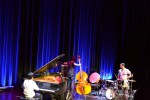
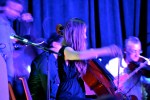
The 20th Anniversary was full of amazing performances, which included Toronto based jazz upstarts BadBadNotGood, Matt Brubeck, Atomic, free shows by DRUMHAND, Jane Bunnett, Friendly Rich’s Scheherazade,Marianne Trudel, as well as the amazing double bill featuring Wadada Leo Smith’s Golden Quartet alongside Pharoah Sanders and The Underground. The festival continues to affirm that there is something special happening in Guelph. There is much more that could be said about the music, but I’ll leave that for other critics, although I do have a review of the trio Dawn of Midi coming soon. After all, in jazz there is no final chord. We can only dream what the next 20 years of the festival will manifest. For now, here are some additional pictures from this year’s anniversary celebration.
Dawn of Midi.
Trudel/ Parker/ Drake.
Esmerine with guests.
Friendly Rich’s Scheherazade.
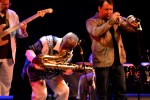
Pharoah and The Underground.
Market Square was packed!
Street dancing.
Nuit Blanche performance by Ben Grossman and Matt Brubeck at 4:30 am at Silence.
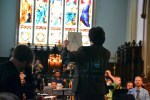
Jesse Stewart and the Penderecki String Quartet close the festival.
“This poet is a griot in search of a village.”
-Kwame Dawes, “Holy Dub,” Midland 18.
Dub poetry is a form of performance poetry with a West Indian aesthetic and origin. It evolved out of dub music comprised of spoken word pieces over reggae rhythms and Nyabinghi traditions[i] in Jamaica beginning in the 1970s. Rather than the Jamaican form of “toasting” (a significant stylistic influence on hip-hop), which also featured (often improvised) spoken word, sometimes as chant, to the music of the dancehall DJ, a dub poet’s performance is usually pre-written and prepared. Spoken or chanted with the background of reggae rhythms, or a capella or ital, and using Jamaican Creole/Patois, dub poetry effectively blends African and Caribbean oral and griot traditions with more standard approaches to poetry and performance. Basically, dub performances were created by removing vocals from side A of a record with a dub machine to create a B side containing a rhythm/instrumental track, often amplifying the bass and drums. Traditionally dub poets are closely aligned with DJs—yes DJing is both traditional and tradition—as they reanimate and (re)sound the past in the present through a musico-poetic performance atop a tentative original.
Conventionally, “Jamaican Creole is the natural language of dub poetry” (Afua Cooper, Utterances 1) and while dub poets often privilege reggae music, nearly all forms of African American and Afro-diasporic musics, and others, can be used in the performance of a dub poem as the mode continues to evade a single homogenizing definition or approach. Nevertheless, dub “began as, and remains, rebel poetry” (2). This is not to say that dub poetry eludes the possibility of definition. d’bi.young.antifrika—one of Canada’s most renowned dub poets and dub monodramatists—thinks through dub vis-à-vis her own mother’s manuscript on dub, which identifies the four major elements of the then emerging form: music, language, politics, and performance (“r/evolution” 27). Dub as such bridges the personal and the political, and as d’bi developed her own understanding of dub she added four more elements for a total of eight principles to form the acronym s.o.r.p.l.u.s.i: “urgency, sacredness, integrity, and self-knowledge. I then renamed the earlier elements of music, politics, and performance to rhythm, political content and context, and orality” (27).
In the following video d’bi outlines how these eight principles can empower artists, particularly African artists across the diaspora.
For d’bi, the principles of dub poetry—consisting of self-knowledge, orality, rhythm, political content and context, language, urgency, sacredness, and integrity—combine to comprise “a comprehensive eco-system of accountability and responsibility between my audiences and me. each principle in the methodology challenges me to not only be self-invested but to (re)position to the centre of my micro and macro communities, being both accountable and responsible (able to account for and respond to these communities)” (“r/evolution” 27). As such, dub poetry has the power to connect disparate communities together through lines of solidarity. Two days from now, on August 8th, I will have the privilege of interviewing d’bi.young about her practice as a pioneer in the art of dub poetry and theatre. I hope to see you there for what promises to be an exciting and engaging evening of “Word! / Sound! / Powah!”
Here’s the poster for the event, d’bi’s personal page and youtube page, as well as the facebook event page.
Cooper, Afua (Ed.). Utterance and Incantations: Women, Poetry and Dub. Toronto: Sister Vision, 1999. Print.
[i] The Nyahbinghi Order is the oldest of all the Rastafari mansions and the term translates as “black victory” (niya = black, binghi = victory). The Niyabinghi resistance inspired a number of Jamaican Rastafarians, who incorporated niyabinghi chants into their celebrations (Wikipedia). The rhythms of these chants—full of improvised syncopation— greatly influenced popular ska, rocksteady and reggae music.
Featuring an opening DJ Set by DJ Techné FREE and Open to the Public
Thursday, August 8th, 2013 (7-9 pm)
Paintbox Bistro (555 Dundas Street East, Regent Park, Toronto)
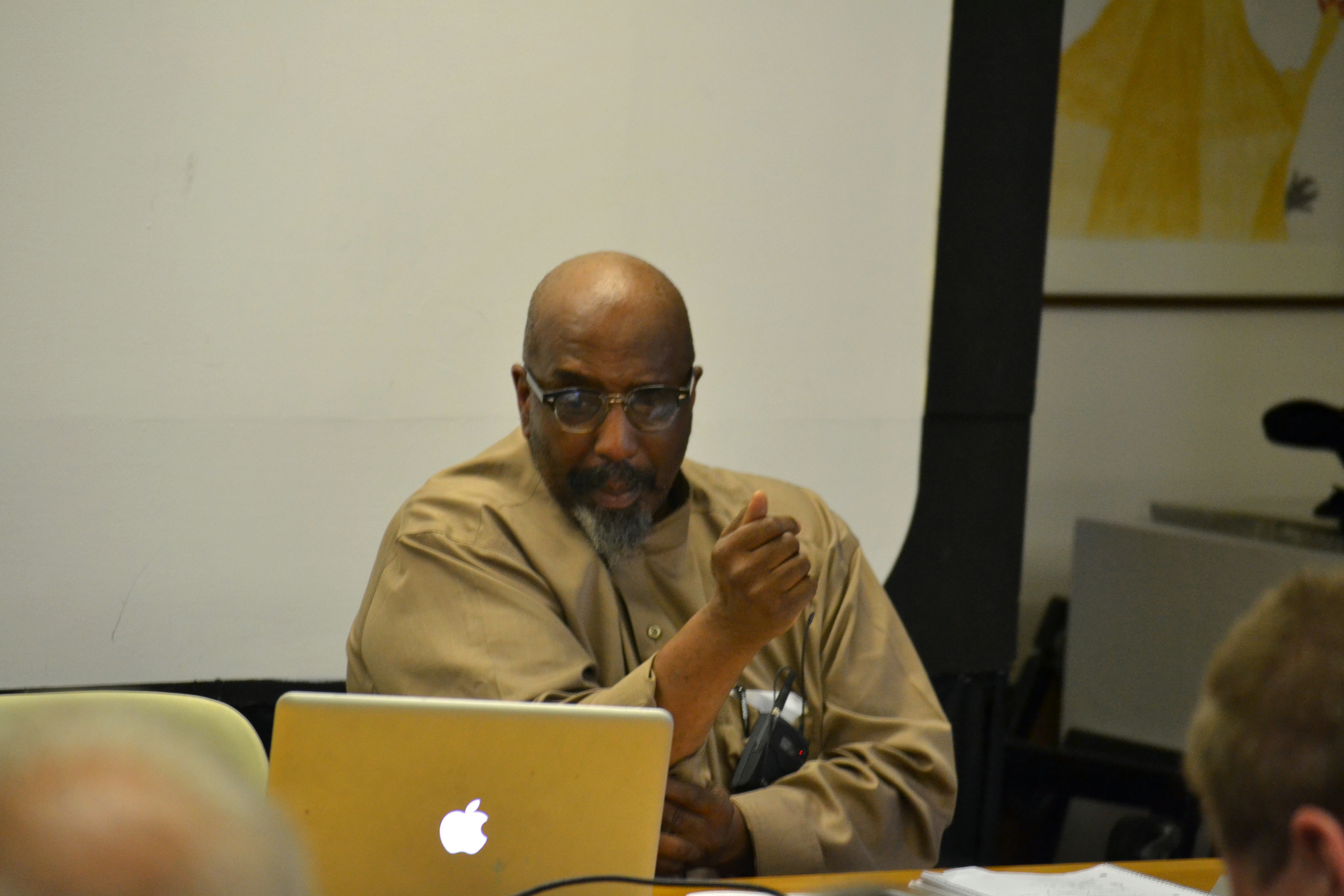
ICASP (Improvisation, Community, and Social Practice) and Paintbox Bistro present Jamaican-Canadian dub poet, monodramatist, educator, and Dora Award-winning actor and playwright, d’bi.young.anitafrika in an intimate free performance. Following the performance there will be an interview with the poet conducted by Paul Watkins (DJ Techné). Make sure you catch this event with one of Canada’s most visionary storytellers.












 PAUL db WATKINS
